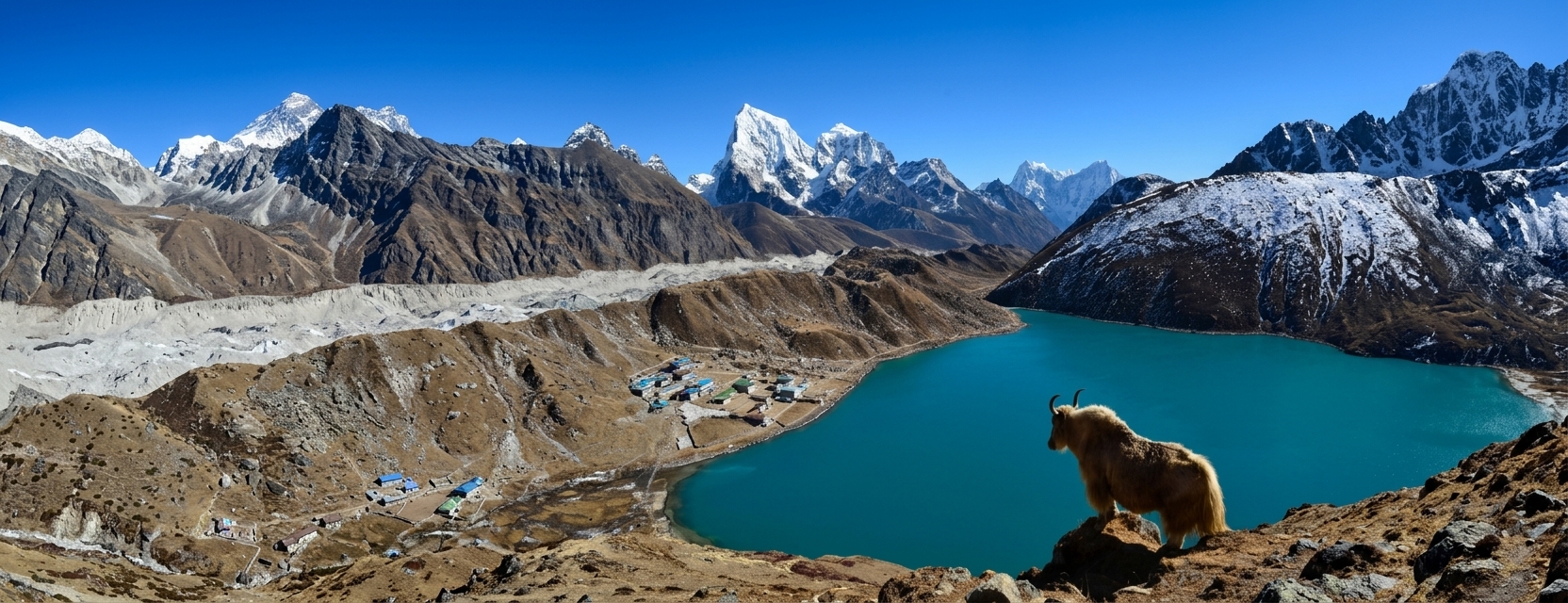


22 days
Upper Dolpo Trekking
from Contact us
from Contact us

from Contact us

from USD 1470

from USD 1400

from USD 1200

from USD 1200

from USD 1680
Treks through Restricted Area allow adventurers to explore remarkable Himalayan paths, finding peaceful moments and the warm hospitality of local communities.
Nepal's towering peaks are among the most awe-inspiring places on Earth. Rugged trails and expansive valleys strip away the ordinary and connect us to the raw power of nature.

From high passes and snow-capped summits to forests, terraced farms, and remote mountain villages, every step through Restricted Area reveals another side of the Himalayas.
Nepal Restricted Area Trekking broadens the general understanding of adventure and opens the doors to Nepal’s hidden gems. These regions are well preserved; thus, the authority restricts trekking just like the trekkers enjoy excursions in other parts.
Restricted areas are not forbidden, but trekkers must obtain special permits under various conditions. Often, these regions are remote and geographically arduous, but they offer enchanting experiences with the beauties around them. Most of the border parts of the restricted region connect the Tibetan highlands.
However, we offer special costs for 2024 and 2025 in every restricted trekking area of Nepal. For more information on these areas, email or WhatsApp +977 9851033819.
The Restricted Area Trekking Nepal welcomes a few trekkers who require various documents through the Nepalese registered trekking agency.
There are different restricted area trekking parts in Nepal, which include the Upper Mustang Region, Annapurna Base Camp, Dolpo Region, Manaslu Region, Nar Phu Valley in Manang, Tsum Valley, and Kanchenjunga Region. These are most selected and popular among adventure lovers to explore the biological diversities, hidden Lakes, landscapes, and endangered cultures and lifestyles.
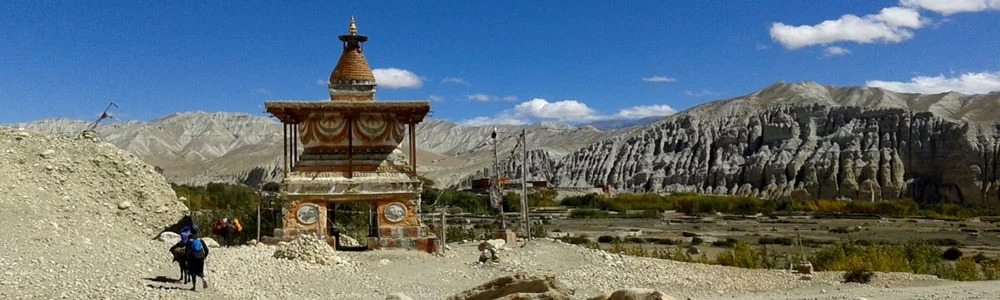
Upper Mustang, known as the “Kingdom of Lo,” is a popular trekking destination in Nepal. This hidden gem is located in the upper part of the Mustang district. It is among the restricted areas of the country. Upper Mustang is a treasure museum. Within Lo Manthang, there are numerous ancient artifacts, monuments, and heritage. It is one of the world’s most preserved regions and was restricted to outsiders until 1992.
Aside from protecting the rich culture and heritage, the government of Nepal restricted Upper Mustang for border security and environmental preservation reasons. The natural environment and ecosystem of Upper Mustang are fragile. Hence, there is a limit on annual tourist visits, and they must obtain a special permit to access the region.
In the Annapurna region, the Nar-Phu Valley is a hidden valley between two eight-thousander mountain ranges, Mount Annapurna (8,091m) and Mount Manaslu (8,163m). Together, the two villages of Nar and Phu make it a valley. Nar-Phu Valley is among the country’s 15 restricted zones. The area was opened to outsiders only recently, in 2003. Since then, its remote and exotic routes have garnered much attention from local and international visitors alike.
The primary reason behind the restriction is that the valley lies within close range of the Tibetan border. Similarly, the valley has a well-preserved ancient Tibetan civilization and settlements, while its pristine nature is raw and unspoiled. Modernization has yet to touch this beautiful valley. The residents and the Nepalese government also plan to preserve it that way.
The Manaslu Circuit trek journey takes you close to Mount Manaslu, the eighth-tallest mountain in the world (8,163m). The route was opened by the government of Nepal back in 1991. However, it remains one of the restricted trekking areas of Nepal. The Manaslu Circuit route goes through the Manaslu Conservation Area. It has fragile ecosystems and unique biodiversity.
Similarly, Manaslu’s unique culture and heritage also remain untouched. Hence, the government has declared it a restricted area to preserve its delicate environment and culture. Another reason for the restriction is security, as the route lies close to the open Tibetan border. Therefore, trekkers must obtain special restricted permits to trek in the region.
The Tsum Valley trek is another hidden gem in Nepal located in the Gorkha district and lies within the Manaslu Conservation Area. The government of Nepal only opened for trekking in 2008. There are several ancient villages in the valley where the Tsumba people live. The Tsumba people are the locals who follow the ancient Buddhist and Tibetan cultures.
Several ancient monasteries and religious sites include the renowned Milarepa’s cave in the Tsum Valley. To preserve the age-old traditions, religious sites, and monasteries, the region falls in the restricted area. It also helps the local government regulate tourism and protect its diverse and fragile environment. The following reason for the restriction is geopolitical, as the valley lies close to the Tibetan border.
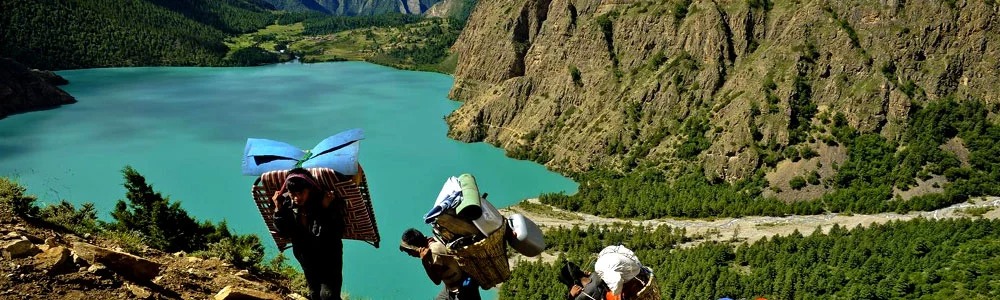
The Upper Dolpa trek takes you to the Upper Himalayan and restricted regions of Nepal. The region’s locals still follow the nomadic lifestyle, Tibetan culture, and Buddhism. The government of Nepal opened the Dolpa region for trekking in 1990. Due to its geographical nature and for the preservation of its ancient culture, Upper Dolpa is one of the restricted areas of Nepal. Since the region lies close to the Tibetan border, it requires a special permit for access. A flood of unregulated travelers can cause damage to its raw and pristine nature. Thus, it is also one of the reasons for restrictions. It helps immensely to protect the delicate balance of nature in the region.
Like Upper Dolpa trek, the Lower Dolpa trek region also lies in Nepal’s remote and secluded region. The Bon people are the major ethnic groups residing in the Lower Dolpa. They follow Tibetan Buddhism, so several age-old monasteries and gompas are scattered around the area. Due to their ancient and one-of-a-kind culture, traditions, and customs, the government of Nepal is working on preserving it. Because of the area’s remoteness, there is a lack of basic infrastructure. Hence, only those with permits can trek to Lower Dolpa. Its serene nature has remained untouched and unspoiled from any pollution or degradation. The restriction helps to protect its pristine nature.
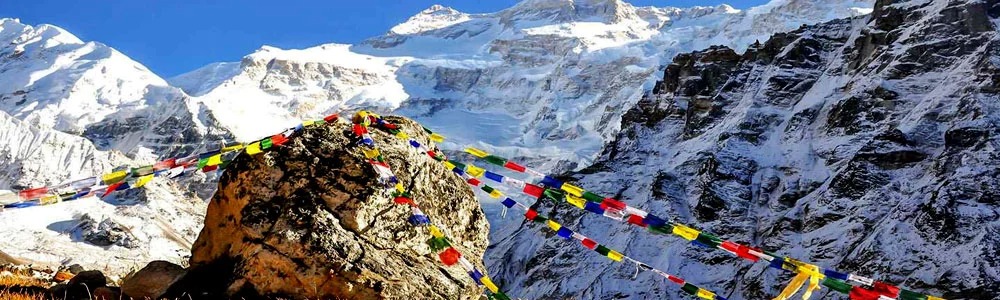
The primary reason the Nepali government designated the Kanchenjunga trek as a restricted trekking area is geopolitical. It shares its border with the Indian and Tibetan borders. Hence, trekkers must obtain a special permit to access the region for security purposes. The trekking trails need to access the Kanchenjunga Conservation Area. Thus, excess tourism can impact the delicate ecology and biodiversity. The remote region lacks proper infrastructure, so only trekkers with permits are allowed to trek here. During the trek, you will get close to Mount Kanchenjunga, the world’s third-highest mountain with cultural and religious significance. So, a special permit is a must for trekking the Kanchenjunga region.
Tell us what you're looking for, and we'll help you shape a journey around it.
Plan with us