




Day 01
Arrive at Tribhuban International Airport (TIA) (1345meters).
Max Altitude
0m
Duration
—
Transport
Private vehicle
Meals
null
null
Accommodation
null
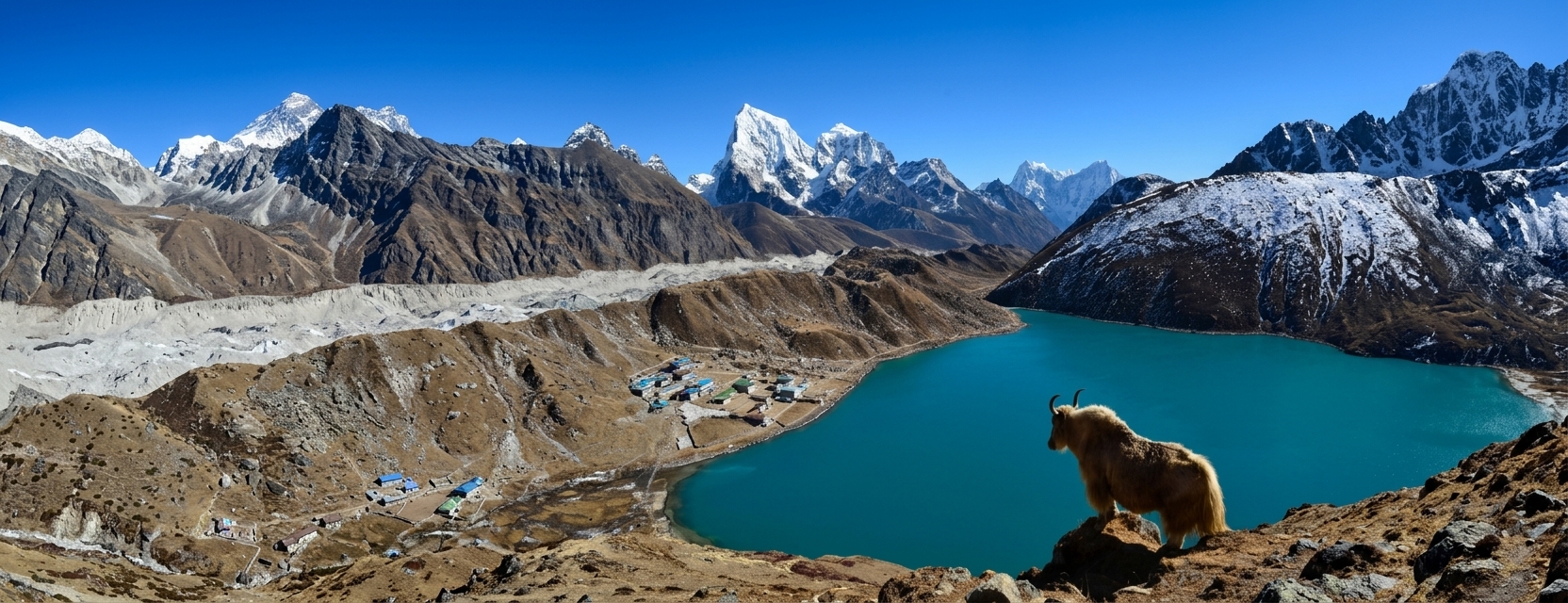
The Helambhu Trek is the most beautiful trekking trip, which mingles with the rich cultural fabric and picturesque nature of the Langtang Region in Nepal. The taking of this trek will not only be a dream trip of the Himalayas through silent nature but also a dream awakening experience through the colorful culture of the Sherpa and Tamang people.
Along the ascending path into the highlands, first-class displays of the magnificent Himalayas, comprising the Langtang and Jugal ranges, are granted. Passing through several local villages offers you the opportunity to experience the warm local hospitality and learn about the unique culture and traditions of the region.
The Helambu Trek is an excellent opportunity for both beginners and experienced trekkers to get close to the mountains and nature in all their splendor while enjoying the peacefulness of the local community and the welcoming of the local people, as it comes with its moderate difficulty level.
The well-marked trails provide an ideal environment for reflection and appreciation of the stunning landscapes, from majestic mountain views to tranquil valleys. Whether you're a seasoned trekker or a beginner, the Helambu Trek promises a rejuvenating adventure that nourishes both the body and soul.
Helambu is located in the Sindhupalchok District of Nepal, just north of Kathmandu. Easily accessible, the trek typically begins at Sundarijal, about 15 kilometers (9 miles) from the capital. This picturesque region is part of Langtang National Park and features stunning landscapes, including lush forests and panoramic views of the Himalayas, notably the Langtang and Jugal ranges.
Besides, one can also experience the local culture of the little-kept villages like Chisapani, Kutumsang, and Tarkeghyang, which consist of the Sherpa and Tamang ethnic groups. The closeness to Kathmandu is an additional advantage, giving trekking in Helambu the dual attraction of adventure and peace.
The Helambu trek gives one a taste of a nature trip combined with a cultural experience and closeness, thus satisfying every adventurer. Here are some of the most convincing reasons to make Helambu your next destination for trekking:
Spectacular Views: Helambu has the reputation of having stunning landscapes, and it is characterized by the existence of green forests and terraced fields, as well as wide-angle visibility of the surrounding highlands, such as the ranges of Langtang and Jugal.
Cultural Exposure: One will be able to get in contact with the native Sherpa and Tamang, whose customs are rich and whose hospitality is welcoming during the trek, and hence get directly exposed to the tradition of that particular community.
Moderate Difficulty: The Helambu Trek is a moderately difficult one; hence, it would not be problematic for beginners, and the experienced hikers would not find it hard either. Hence, it is made available.
Less Crowded Trails: Compared to other popular trekking routes in Nepal, Helambu offers a more tranquil experience, allowing trekkers to enjoy the beauty of nature without the hustle and bustle of larger crowds.
Diverse Flora and Fauna: As you trek through Shivapuri National Park, you’ll encounter a wide variety of plant and animal life, making it a paradise for nature lovers and wildlife enthusiasts.
Culinary Delights: Enjoy authentic Nepali cuisine in local teahouses, where you can savor traditional dishes like dal bhat and momo, adding to the overall cultural experience.
Flexible Itinerary: The trekking routes to Helambu offer a number of options regarding the route one may take and the time one may want to spend trekking. Be it a short or longer trek, Helambu has options for both.
Group Price Breakdown
The best season to trek in the Helambu is during Spring (March-May) and Autumn (September-November). During these two seasons, most of the trekkers and visitors love to explore Nepal.
The spring season is best for trekking in the Helambu region. It features mild temperatures and a good climate during that season with clear skies, clear visibility of the surrounding Hills and the Himalayas, and perfect conditions for day walking. During this season, the rhododendron forest blooms, and the trails are colorful due to different flowers.
The trail is comparatively less crowded than in autumn, but getting the opportunity to get closer to nature and peaceful walking adds more adventure to the trek.
Autumn is the peak season for trekking in Nepal. During this season, most of the travellers around the world explore Nepal. While the trails can be busier, the vibrant atmosphere adds to the experience. The trails may be very busy; however, the lively environment can enhance the experience. This period has been marked by reliable weather consisting of sunny skies and moderate temperatures.
The weather usually gets clearer after the monsoon; the green, lush views of the Hills make the view more beautiful. Full visibility of the Himalayas is seen. This time of year is marked by the occurrence of local festivals like Dashain and Tihar, which give a chance to learn about the rich culture and traditions of the area.
The Winter season is not considered the best season for trekking in the high-altitude region of Nepal. Trekking is possible, but cold temperatures, coupled with snow at higher altitudes, may prove quite challenging. Monsoon time is not considered the perfect time for trekking because of the possibility of heavy rainfall and the chances of landslides in hilly regions and slippery trails. The visibility of the surroundings is poor, too.
To trek in the Helambu region, you must obtain the following permits to ensure a smooth and legal trekking experience.
All the trekkers have to get a TIMS card, whether they are traveling as a group or individually. The TIMS card is an important document for the monitoring and safety assurance of the trekkers in Nepal.
Around USD 20 for solo trekkers.
About USD 10 per person for trekkers in a group.
Every hiker who enters Shivapuri NP must have this permit.
About USD 10 for international trekkers.
SAARC nationals may have lower rates
All trekkers entering the Langtang National Park must have this permit.
Around USD 30 for international trekkers (the fee can change).
SAARC nationals may have to pay an extra charge.
All these permits can be obtained from the National Tourism Board in Kathmandu or from the respective national park entrance. Also, you can ask your travel agency to arrange these permits.
Good accommodation and fully nutritious food are essential while trekking in the Helambu region of Nepal. Although the accommodation and food varieties are limited as you trek higher, the comfort and warmth of the locals make the trek worthwhile.
Basically, the food during the trek is basic yet full of nutrition and carbohydrates. You’ll eat your food in simple cozy teahouses where the local serves you.
Hot Tea (Options)
Egg
Tibetan Bread
Bread
Porriadge
Pancakes
Toast
Muesli
Potatoes
Grains Soup
Hot Coffee
Seasonal Fruits
Other Soup
For lunch and dinner, you’ll be eating some traditional food of Nepal, like:
Dal Bhat (a plate of rice, vegetables, lentils, sag, and pickles)
Chapati
Noodles
Pizza
Pasta
Fried Rice
Momo
Chow mein
Sherpa Strew
Soups
Vegetables
You’ll be staying in a local teahouse or lodge throughout your trekking days in the Helambu region. The accommodation is basic yet comfortable. Stay in a small cozy room where a bed, mattress, pillow, blanket, and a waterbottle are available.
In most places, you share the bathroom, and there is very little availability of hot showers. If you want a hot shower, pay some extra.
Always carry a sleeping bag for yourself.
In city areas, or at lower elevations, you will have a variety of food options and private accommodation with all modern facilities.
The Helambu Trek, in general, is rated as moderately difficult, which opens the way for trekkers with different fitness levels, including the non-experienced and those who have had little trekking. It comprises movement upward and downward with some parts particularly hard at altitude, especially in between the marvelous views of Shivapuri National Park and Langtang National Park.
On most days, the trek includes walking for 4 to 7 hours, which calls for a decent level of fitness and stamina, at least. Although the paths are clearly indicated, hikers should be ready to face some conditions that may include diversified surfaces, rock-strewn ways, and sometimes sharp ascents. Altitude sickness may be encountered during the trek up the mountain; therefore, getting used to the high altitude is a must.
In short, exercising the right way, living with altitude, and more, the Helambu Trek gives a rare opportunity to witness nature at its best, along with the lost and presented to man times through a great combination of both, thus being a superb pick for those who want to savor the Himalayas with less hardship than the more tiring treks.
When preparing for the Helambu Trek, it’s important to pack wisely to ensure you have everything you need for a comfortable and enjoyable experience. Here’s a comprehensive list of packing essentials:
Trekking Boots
Moisture-wicking trekking socks
Quick-drying, moisture-wicking long-sleeve shirts and thermal tops
Fleece jacket or down jacket for warmth
Waterproof and windproof jacket
Lightweight, quick-drying trekking pants
Warm Hat and Gloves
Sun Hat
Buff or Scarf
A comfortable, well-fitted trekking backpack (40-60 liters)
A smaller pack for day hikes and carrying essentials
Trekking Poles
Sleeping Bag (rated at least to -5°C or 23°F)
Headlamp/Flashlight
Water Bottle
Snacks
Water Purification
First Aid Kit
Sunscreen
Lip Balm
Insect Repellent
Toiletries
Quick-drying travel towel
Camera/Smartphone
Power Bank
Travel Documents
Cash
100+ Happy Trekkers
Explorations that last a lifetime.
The Helambu Trek is a scenic trekking route in the Langtang region of Nepal, known for its stunning landscapes and rich cultural experiences.
The trek usually takes about 8 to 10 days, depending on the itinerary and pace of the trekkers.
The best seasons are Spring (March to May) and Autumn (September to November) for favorable weather and clear views.
Yes, it is accessible for beginners due to its moderate difficulty level and well-marked trails.
Expect breathtaking views of the Himalayas, lush forests, terraced fields, and traditional villages.
Yes, trekkers can interact with local communities, visit monasteries, and learn about the traditions of the Sherpa and Tamang people.
You may encounter various bird species, monkeys, and potentially some larger animals like deer and red pandas.
The trek involves moderate physical activity, with daily walks of 4 to 7 hours, requiring a reasonable level of fitness.
Highlights include stunning mountain views, cultural encounters, diverse flora and fauna, and serene landscapes.
While solo trekking is possible, it’s recommended to go with a guide for safety and navigation.
Accommodation is typically provided in local teahouses or lodges, offering basic yet comfortable amenities.
Meals generally include traditional Nepali dishes like dal bhat, momo, noodles, and various breakfast options such as pancakes and porridge.
Yes, most teahouses offer vegetarian and some vegan options, but it’s best to inform them in advance.
While you can find water sources, it's recommended to carry purification tablets or a filter to ensure safe drinking water.
Hygiene can vary, but most teahouses maintain reasonable cleanliness. It’s advisable to carry personal hygiene items and hand sanitizer.
Hot showers are available in some teahouses for an additional fee, but they may be limited in remote areas.
The trek typically starts with a drive from Kathmandu to Sundarijal, which takes about an hour.
Daily itineraries usually include breakfast, trekking for several hours, lunch along the way, and reaching the next teahouse by evening.
Limited mobile coverage is available in some areas, but it may be unreliable in more remote locations.
Consult your guide or trekking agency to make necessary adjustments based on your preferences and conditions.
ATMs are not available in remote areas; it's advisable to withdraw cash in Kathmandu before starting the trek.
Nepali is the official language, but local dialects such as Sherpa and Tamang are also commonly spoken.
Yes, you can purchase local handicrafts and souvenirs in villages along the trekking route.
Respect local customs, dress modestly, and ask for permission before taking photos of people or their property.
Yes, local festivals like Dashain and Tihar may coincide with trekking seasons, offering a chance to experience vibrant cultural celebrations.
Many villages welcome trekkers to join in traditional activities, such as local dances or festivals, providing a deeper cultural experience.
Yes, the Helambu region is generally safe for trekkers, but it’s important to follow guidelines and be aware of your surroundings.
Always carry a first aid kit, inform your guide of any issues, and know the nearest evacuation routes.
Basic medical facilities are available in larger villages, but it’s advisable to carry a personal first aid kit for minor injuries.
Acclimatization, staying hydrated, and ascending gradually are essential to prevent altitude sickness.
Yes, it's highly recommended to have travel insurance that covers trekking and potential evacuation in case of emergencies.
A reasonable level of fitness is required, as most days include 4 to 7 hours of walking with varying terrain.
Engage in regular cardiovascular exercise, strength training, and practice hiking to build endurance and strength.
Essential items include trekking boots, clothing layers, a sleeping bag, a first aid kit, and personal items like sunscreen and insect repellent.
Yes, training is important to ensure you are physically prepared for the demands of the trek.
Ascend gradually, stay hydrated, and take rest days if necessary to allow your body to adjust to higher altitudes.
Visit the Boundless Adventure website, select your trek package, and complete the online booking form. After submission, you'll receive confirmation and payment instructions. Once your payment is processed, you'll get detailed trek information.
Boundless Adventure accepts various payment methods, including bank transfers, credit cards, and online payment platforms. Specific options will be provided during the booking process.
Cancellation policies vary by trek package. Generally, you may receive a partial refund based on how far in advance you cancel. Review the cancellation terms during booking or consult Boundless Adventure for details.
Tell us what you're looking for, and we'll help you shape a journey around it.
Plan with usWe recommend you arrive at Kathmandu by three pm at least one day before the trek departure date for last-minute preparations.
The best season to trek in the Helambu is during Spring (March-May) and Autumn (September-November). During these two seasons, most of the trekkers and visitors love to explore Nepal.
The spring season is best for trekking in the Helambu region. It features mild temperatures and a good climate during that season with clear skies, clear visibility of the surrounding Hills and the Himalayas, and perfect conditions for day walking. During this season, the rhododendron forest blooms, and the trails are colorful due to different flowers.
The trail is comparatively less crowded than in autumn, but getting the opportunity to get closer to nature and peaceful walking adds more adventure to the trek.
Autumn is the peak season for trekking in Nepal. During this season, most of the travellers around the world explore Nepal. While the trails can be busier, the vibrant atmosphere adds to the experience. The trails may be very busy; however, the lively environment can enhance the experience. This period has been marked by reliable weather consisting of sunny skies and moderate temperatures.
The weather usually gets clearer after the monsoon; the green, lush views of the Hills make the view more beautiful. Full visibility of the Himalayas is seen. This time of year is marked by the occurrence of local festivals like Dashain and Tihar, which give a chance to learn about the rich culture and traditions of the area.
The Winter season is not considered the best season for trekking in the high-altitude region of Nepal. Trekking is possible, but cold temperatures, coupled with snow at higher altitudes, may prove quite challenging. Monsoon time is not considered the perfect time for trekking because of the possibility of heavy rainfall and the chances of landslides in hilly regions and slippery trails. The visibility of the surroundings is poor, too.
To trek in the Helambu region, you must obtain the following permits to ensure a smooth and legal trekking experience.
All the trekkers have to get a TIMS card, whether they are traveling as a group or individually. The TIMS card is an important document for the monitoring and safety assurance of the trekkers in Nepal.
Around USD 20 for solo trekkers.
About USD 10 per person for trekkers in a group.
Every hiker who enters Shivapuri NP must have this permit.
About USD 10 for international trekkers.
SAARC nationals may have lower rates
All trekkers entering the Langtang National Park must have this permit.
Around USD 30 for international trekkers (the fee can change).
SAARC nationals may have to pay an extra charge.
All these permits can be obtained from the National Tourism Board in Kathmandu or from the respective national park entrance. Also, you can ask your travel agency to arrange these permits.
Good accommodation and fully nutritious food are essential while trekking in the Helambu region of Nepal. Although the accommodation and food varieties are limited as you trek higher, the comfort and warmth of the locals make the trek worthwhile.
Basically, the food during the trek is basic yet full of nutrition and carbohydrates. You’ll eat your food in simple cozy teahouses where the local serves you.
Hot Tea (Options)
Egg
Tibetan Bread
Bread
Porriadge
Pancakes
Toast
Muesli
Potatoes
Grains Soup
Hot Coffee
Seasonal Fruits
Other Soup
For lunch and dinner, you’ll be eating some traditional food of Nepal, like:
Dal Bhat (a plate of rice, vegetables, lentils, sag, and pickles)
Chapati
Noodles
Pizza
Pasta
Fried Rice
Momo
Chow mein
Sherpa Strew
Soups
Vegetables
You’ll be staying in a local teahouse or lodge throughout your trekking days in the Helambu region. The accommodation is basic yet comfortable. Stay in a small cozy room where a bed, mattress, pillow, blanket, and a waterbottle are available.
In most places, you share the bathroom, and there is very little availability of hot showers. If you want a hot shower, pay some extra.
Always carry a sleeping bag for yourself.
In city areas, or at lower elevations, you will have a variety of food options and private accommodation with all modern facilities.
The Helambu Trek, in general, is rated as moderately difficult, which opens the way for trekkers with different fitness levels, including the non-experienced and those who have had little trekking. It comprises movement upward and downward with some parts particularly hard at altitude, especially in between the marvelous views of Shivapuri National Park and Langtang National Park.
On most days, the trek includes walking for 4 to 7 hours, which calls for a decent level of fitness and stamina, at least. Although the paths are clearly indicated, hikers should be ready to face some conditions that may include diversified surfaces, rock-strewn ways, and sometimes sharp ascents. Altitude sickness may be encountered during the trek up the mountain; therefore, getting used to the high altitude is a must.
In short, exercising the right way, living with altitude, and more, the Helambu Trek gives a rare opportunity to witness nature at its best, along with the lost and presented to man times through a great combination of both, thus being a superb pick for those who want to savor the Himalayas with less hardship than the more tiring treks.
When preparing for the Helambu Trek, it’s important to pack wisely to ensure you have everything you need for a comfortable and enjoyable experience. Here’s a comprehensive list of packing essentials:
Trekking Boots
Moisture-wicking trekking socks
Quick-drying, moisture-wicking long-sleeve shirts and thermal tops
Fleece jacket or down jacket for warmth
Waterproof and windproof jacket
Lightweight, quick-drying trekking pants
Warm Hat and Gloves
Sun Hat
Buff or Scarf
A comfortable, well-fitted trekking backpack (40-60 liters)
A smaller pack for day hikes and carrying essentials
Trekking Poles
Sleeping Bag (rated at least to -5°C or 23°F)
Headlamp/Flashlight
Water Bottle
Snacks
Water Purification
First Aid Kit
Sunscreen
Lip Balm
Insect Repellent
Toiletries
Quick-drying travel towel
Camera/Smartphone
Power Bank
Travel Documents
Cash
Max Altitude
0m
Duration
—
Transport
Private vehicle
Meals
null
null
Accommodation
null
Max Altitude
0m
Duration
—
Transport
Private vehicle
Meals
null
null
Max Altitude
0m
Duration
—
Transport
Private vehicle
Meals
null
null
Max Altitude
0m
Duration
—
Transport
Private vehicle
Meals
null
null
Max Altitude
0m
Duration
—
Transport
Private vehicle
Meals
null
null
Max Altitude
0m
Duration
—
Transport
Private vehicle
Meals
null
null
Max Altitude
0m
Duration
—
Transport
Private vehicle
Meals
null
null
Max Altitude
0m
Duration
—
Transport
Private vehicle
Meals
null
null
Max Altitude
0m
Duration
—
Transport
Private vehicle
Meals
null
null
Max Altitude
0m
Duration
—
Transport
Private vehicle
Meals
null
null
0.0
0 reviews
Accommodation
null
Accommodation
null
Accommodation
null
Accommodation
null
Accommodation
null
Accommodation
null
Accommodation
null
Accommodation
null
Accommodation
null