




Day 01
Picks up from Tribhuvan International Airport.
Max Altitude
0m
Duration
—
Transport
Private vehicle
Meals
null
null
Accommodation
null
The Ganesh Himal is a hidden gem of Nepal, offering an off-the-beaten-path journey nestled between the stunning Langtang National Park and Manaslu Conservation Area. This trek offers the stunning beauty of the snow-capped Himalayas, allowing you to experience the local people's warm hospitality and enjoy the authentic village life of rural Nepal.
Walking through farm terraced fields and lush forest trails and passing several small settlements, the rugged ascent and descent trail of the region allows you to enjoy the beauty of nature closely. Unlike the bustling trails of Langtang, Annapurna, and Everest, the Ganesh Himal region remains a peaceful sanctuary, untouched by mass tourism and filled with authentic cultural experiences.
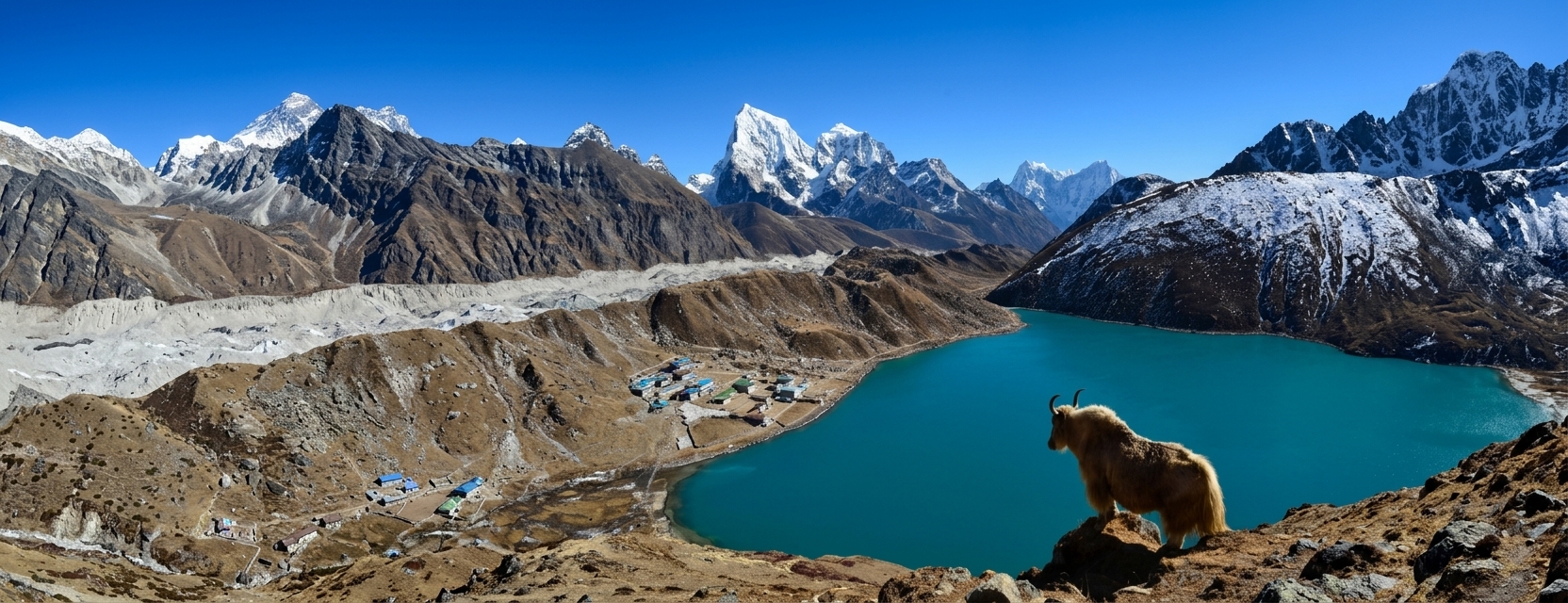
Your journey begins with a scenic drive to Syabrubesi, where the adventure truly starts. Over the next several days, you’ll trek through traditional Tamang, Gurung, and Ghale villages, traversing lush forests, terraced fields, and alpine meadows. Each step brings you closer to the majestic Pangsang La Pass, the trek’s highest point at 3,842 meters. Here, you’ll be treated to breathtaking panoramic views of the Ganesh Himal peaks, Langtang Lirung, Manaslu, and even distant Tibetan mountains.
Along the way, you’ll encounter ancient monasteries, century-old trading paths, natural hot springs, and remote ridge-top settlements like Tipling and Jharlang. The warm hospitality of the local people will make you feel right at home, and you’ll savour the authentic flavours of local cuisine. With loving communities, stunning views, and rich cultural interactions, the Ganesh Himal Trek promises an unforgettable Himalayan journey through some of Nepal’s most scenic and culturally vibrant landscapes.
Prepare for an adventure that will leave you with lasting memories and a deeper appreciation for the beauty of Nepal!
The Ganesh Himal Trek offers stunning panoramic views of the majestic Ganesh Himal range, including peaks I-IV, Langtang Lirung, and Manaslu. Each viewpoint along the trail provides a unique perspective of these snow-capped giants, making for unforgettable photo opportunities.
One of the trek's highlights is the Pangsang La Pass, the highest point on the route. Standing at 3,842 meters, this pass rewards trekkers with magnificent vistas of the surrounding mountains and valleys, creating a truly awe-inspiring experience.
As you trek through traditional Tamang, Gurung, and Ghale villages, you’ll have the opportunity to engage with local communities. Experience their warm hospitality, learn about their customs, and gain insights into their daily lives, providing a rich cultural experience that enhances your journey.
Relax and rejuvenate in natural hot springs found along the trek. These therapeutic waters offer a perfect way to unwind after long days of hiking, allowing you to soak in the beauty of your surroundings while enjoying the health benefits of the mineral-rich water.
The trek takes you through lush forests and alpine meadows, showcasing a wide variety of flora and fauna. Keep an eye out for unique wildlife, including the elusive red panda and various species of birds, as well as vibrant wildflowers that adorn the trails.
Explore ancient monasteries that dot the landscape, where you can learn about the spiritual practices of the local people. These serene sites provide a glimpse into the region's rich Buddhist heritage and offer peaceful spots for reflection.
Experience the charm of remote ridge-top settlements such as Tipling and Jharlang. These villages are less frequented by tourists, allowing for a more authentic experience of rural life in Nepal, complete with breathtaking views of the valleys below.
This trek features terraced fields that are perfect examples of the traditional mode of farming for the local communities. These green fields add to the beauty of the landscape and give good insight into the farming practices that the villagers depend on.
Indulge in the authentic flavours of Nepali cuisine, from hearty dal bhat to delicious momos. The trek offers a chance to taste local dishes prepared by welcoming families, enhancing your cultural immersion.
Unlike the more commercial trekking routes, the Ganesh Himal Trek offers a peaceful and serene environment. Enjoy the tranquillity of the trails, allowing you to connect deeply with nature and reflect on the beauty surrounding you
Group Price Breakdown
The Ganesh Himal Trek is considered to be of moderate difficulty, making it suitable for trekkers with a reasonable level of fitness and some prior trekking experience. The trek involves a variety of terrains, including steep ascents and descents, rocky paths, and occasional high-altitude sections, particularly when crossing the Pangsang La Pass at 3,842 meters.
Trekkers should be prepared for long days of hiking, typically ranging from 5 to 8 hours each day, depending on the itinerary. While the trails are generally well-marked, some sections can be challenging due to rugged terrain and changing weather conditions. Trekkers need to acclimatize properly to avoid altitude sickness, especially as they gain elevation. Proper preparation, including physical conditioning and packing essential gear, will enhance your trekking experience.
With the right mindset and preparation, trekkers will find the Ganesh Himal Trek to be a rewarding adventure that offers stunning landscapes and cultural immersion.
The best season for trekking in the Ganesh Himal is during Spring (March-May) and Autumn (September-November). Both of these seasons are perfect for trekking in the high-altitude region of Nepal. This season offers the stunning beauty of nature with crystal-clear visibility from a distance.
Trekking in the spring season is a perfect choice. During this season, the weather is mild and comfortable for walking on the trail. The forest and trail are filled with colorful flowers. Rhododendron blooms in the forest create a stunning display of white, red, and pink colors. Crisp air and clear views of the hills and the Himalayas make it perfect for trekkers to enjoy unobstructed views of the majestic Himalayas.
Wildlife is also more active during this time, and the lush greenery enhances the overall trekking experience. Spring offers a perfect blend of pleasant weather and stunning natural beauty, making it a popular choice for many trekkers.
Autumn is the prime season for trekking in Nepal. After the monsoon season, the whole hill is bright green, resulting in clear and crisp weather and visibility. The temperature during the daytime is moderate, and nights are cooler, perfect for trekking. The trails are busy, visibility is exceptional, and they offer postcard-like views of the great Himalayas and Hills.
Autumn also brings a rich cultural experience, as many local festivals are celebrated during this time, offering trekkers a chance to engage with the vibrant traditions of the local communities. The combination of clear views, pleasant weather, and cultural richness makes autumn a fantastic time for trekking in the Ganesh Himal.
Monsoon and Winter are not considered good seasons for trekking in the high-altitude region of Nepal. Monsoon leads to slippery trails, chances of landslides in the hill area and poor visibility during rainy times. The same goes for winter, the visibility is poor, the trail is covered by snow, and most of the accommodation places are closed during this season.
Trekking in these seasons, you must be an experienced trekker and have all the gear and equipment with you and also need to have great knowledge about trekking in risky times.
Throughout the trekking days in the Ganesh Himal Trek, you’ll be staying and having meals in a local teahouse/lodge. The accommodation and food are basic yet comfortable.
In the city area, you’ll get a private room and a variety of food options. But as you trek higher, the food options are limited, and accommodation is basic.
On the Ganesh Himal Trek, you’ll be eating basic yet comforting food full of carbohydrates and nutrition.
Bread
Tibetan Bread
Soups
Hot Tea (options)
Potato
Cornflakes
Omelets
Milk
Steamed bread and buckwheat chapatis
Mixed Vegetables
Coffee and Juices
Pancake, and many other available options.
Nepali traditional food ‘dal-bhat.’
Noodles
Pasta
Pizza
Local Potatoes
Dry Noodles
Chow-mein
Fried rice
Momo and some other available foods.
Note: Vegan/Vegetarian options are also available.
Accommodation during the trek primarily consists of local teahouses and lodges, which provide a glimpse into the traditional lifestyle of the mountain communities.
You’ll be staying in a local teahouse/lodge, which provides a simple and cozy room with a wooden bed, a mattress, a blanket and a pair of pillows. During peak season, rooms are shared with other trekkers. Some teahouses may offer private rooms, but these are limited and often in high demand.
Bathrooms are usually shared, and hot water may be available at an additional cost.
The teahouses are often run by local families, creating a warm and welcoming environment where you can interact with the locals and learn about their culture.
To trek in the Ganesh Himal, you must obtain these permits.
Trekking Information Management System (TIMS) Card
Ganesh Himal Conservation Area Permit (GHCAP)
Travel insurance is essential for anyone planning an adventurous trip in the Himalayas. It’s not just a formality; it’s a crucial safeguard for your safety and peace of mind. Your travel insurance should cover a range of important aspects, including illness, medical emergencies, accidents, trip cancellation, and loss of personal belongings.
One vital point to keep in mind is that all costs associated with emergency evacuation must be paid in cash while in Nepal, unless your insurance company has agreed to cover these expenses directly. Therefore, it’s important to ensure that your travel insurance specifically includes coverage for activities you plan to engage in while trekking in the Himalayas.
Having a knowledgeable guide and porters is essential for a successful and enjoyable trekking experience in the Ganesh Himal region. A local guide brings invaluable expertise, as they are familiar with the terrain, culture, and history of the area, providing insights that enrich your journey. They ensure your safety by navigating the often rugged trails and are trained to handle emergencies, including altitude sickness. Additionally, guides facilitate interactions with local communities, allowing you to engage with their customs and traditions while enhancing your cultural experience. Porters play a crucial role as well, carrying your gear and supplies, which allows you to trek more comfortably and enjoy the stunning landscapes without the burden of heavy loads.
When preparing for the Ganesh Himal Trek, it's crucial to pack wisely to ensure you have everything you need for a comfortable and enjoyable experience.
Moisture-wicking thermal tops and bottoms
Fleece or down jacket
Comfortable t-shirts
Waterproof and windproof jacket
Quick-drying trekking pants
Moisture-wicking socks
Hat
Gloves
Sun Hat
Trekking Boots
Crampon (optional)
Camp Shoes
A comfortable, sturdy backpack (40-60 litres)
Sleeping Bag
Trekking Poles
Headlamp/Flashlight
Water Bottle
First Aid Kit
Toiletries
Sunscreen
Wet wipers
Lip Balm
Quick-dying Towel
Insect Repellent
Camera
Travel Insurance Documents
Cash
Snacks
100+ Happy Trekkers
Explorations that last a lifetime.
The Ganesh Himal Trek is a trekking route in Nepal that offers stunning views of the Ganesh Himal range, diverse landscapes, and rich cultural experiences.
The Ganesh Himal is located in the central part of Nepal, nestled between Langtang National Park and Manaslu Conservation Area.
The trek typically takes about 15 days, depending on the specific itinerary and pace of the group.
The best seasons for trekking are Spring (March to May) and Autumn (September to November) due to mild weather and clear visibility.
Engage in regular cardiovascular and strength training exercises, and consider practice hikes to build endurance.
Inform your trekking agency in advance so they can accommodate your dietary needs during the trek.
The trek is considered moderately difficult, suitable for trekkers with a reasonable level of fitness and some prior trekking experience.
Trekkers will encounter varied terrains, including steep ascents, descents, rocky paths, and high-altitude sections.
Daily trekking typically ranges from 5 to 8 hours, depending on the day's itinerary.
You will need a Trekking Information Management System (TIMS) card and a Ganesh Himal Conservation Area Permit (GHCAP).
Permits can be obtained through registered trekking agencies or at the Nepal Tourism Board offices in Kathmandu or Pokhara.
Foreign trekkers must obtain the necessary permits and are not allowed to purchase insurance policies in Nepal.
Accommodation consists of local teahouses and lodges, providing basic yet comfortable rooms.
Meals typically include basic but nutritious options like dal bhat, noodles, soups, and local vegetables. Vegetarian and vegan options are available.
Hot water may be available at some teahouses for an additional cost, but it’s not guaranteed.
Vegan/vegetarian food is available in the local teahouses. Most of the teahouses serve only vegetarian food.
At a lower elevation, you can enjoy non-veg, but as you trek higher, non-veg food is not recommended due to dietary restrictions.
Yes, travel insurance is essential, covering medical emergencies, trip cancellations, and evacuation costs.
Proper acclimatization, staying hydrated, and ascending gradually can help prevent altitude sickness.
Include items like band-aids, antiseptic wipes, pain relievers, and any personal medications.
Pack moisture-wicking clothing, trekking boots, a sleeping bag, a backpack, and personal items like toiletries and snacks.
Trekking poles are recommended for stability and support on uneven terrain.
A comfortable, sturdy backpack with a capacity of 40-60 litres is ideal for carrying your essentials.
Yes, you should carry your own water bottle for safe drinking water. Water purification tablet is also recommended.
While not mandatory, hiring a local guide is highly recommended for safety, navigation, and cultural insights.
Porters carry your gear and supplies, allowing you to trek more comfortably and focus on enjoying the scenery.
Tipping practices vary, but a general guideline is to tip around 10% of the total trip cost, divided among guides and porters.
Keep an eye out for unique wildlife, including red pandas, Himalayan tahr, and various bird species.
Yes, you will have opportunities to interact with local communities, learn about their customs, and enjoy traditional meals.
Highlights include stunning Himalayan views, Pangsang La Pass, natural hot springs, and visits to ancient monasteries.
Mobile network coverage may be limited in remote areas, but you can find a signal in some villages.
Some teahouses offer charging facilities for a small fee, but it’s advisable to bring a power bank.
Contact your guide or porter, who can assist you in seeking medical help or arranging evacuation if necessary.
Tell us what you're looking for, and we'll help you shape a journey around it.
Plan with usWe recommend you arrive at Kathmandu by three pm at least one day before the trek departure date for last-minute preparations.
The Ganesh Himal Trek is considered to be of moderate difficulty, making it suitable for trekkers with a reasonable level of fitness and some prior trekking experience. The trek involves a variety of terrains, including steep ascents and descents, rocky paths, and occasional high-altitude sections, particularly when crossing the Pangsang La Pass at 3,842 meters.
Trekkers should be prepared for long days of hiking, typically ranging from 5 to 8 hours each day, depending on the itinerary. While the trails are generally well-marked, some sections can be challenging due to rugged terrain and changing weather conditions. Trekkers need to acclimatize properly to avoid altitude sickness, especially as they gain elevation. Proper preparation, including physical conditioning and packing essential gear, will enhance your trekking experience.
With the right mindset and preparation, trekkers will find the Ganesh Himal Trek to be a rewarding adventure that offers stunning landscapes and cultural immersion.
The best season for trekking in the Ganesh Himal is during Spring (March-May) and Autumn (September-November). Both of these seasons are perfect for trekking in the high-altitude region of Nepal. This season offers the stunning beauty of nature with crystal-clear visibility from a distance.
Trekking in the spring season is a perfect choice. During this season, the weather is mild and comfortable for walking on the trail. The forest and trail are filled with colorful flowers. Rhododendron blooms in the forest create a stunning display of white, red, and pink colors. Crisp air and clear views of the hills and the Himalayas make it perfect for trekkers to enjoy unobstructed views of the majestic Himalayas.
Wildlife is also more active during this time, and the lush greenery enhances the overall trekking experience. Spring offers a perfect blend of pleasant weather and stunning natural beauty, making it a popular choice for many trekkers.
Autumn is the prime season for trekking in Nepal. After the monsoon season, the whole hill is bright green, resulting in clear and crisp weather and visibility. The temperature during the daytime is moderate, and nights are cooler, perfect for trekking. The trails are busy, visibility is exceptional, and they offer postcard-like views of the great Himalayas and Hills.
Autumn also brings a rich cultural experience, as many local festivals are celebrated during this time, offering trekkers a chance to engage with the vibrant traditions of the local communities. The combination of clear views, pleasant weather, and cultural richness makes autumn a fantastic time for trekking in the Ganesh Himal.
Monsoon and Winter are not considered good seasons for trekking in the high-altitude region of Nepal. Monsoon leads to slippery trails, chances of landslides in the hill area and poor visibility during rainy times. The same goes for winter, the visibility is poor, the trail is covered by snow, and most of the accommodation places are closed during this season.
Trekking in these seasons, you must be an experienced trekker and have all the gear and equipment with you and also need to have great knowledge about trekking in risky times.
Throughout the trekking days in the Ganesh Himal Trek, you’ll be staying and having meals in a local teahouse/lodge. The accommodation and food are basic yet comfortable.
In the city area, you’ll get a private room and a variety of food options. But as you trek higher, the food options are limited, and accommodation is basic.
On the Ganesh Himal Trek, you’ll be eating basic yet comforting food full of carbohydrates and nutrition.
Bread
Tibetan Bread
Soups
Hot Tea (options)
Potato
Cornflakes
Omelets
Milk
Steamed bread and buckwheat chapatis
Mixed Vegetables
Coffee and Juices
Pancake, and many other available options.
Nepali traditional food ‘dal-bhat.’
Noodles
Pasta
Pizza
Local Potatoes
Dry Noodles
Chow-mein
Fried rice
Momo and some other available foods.
Note: Vegan/Vegetarian options are also available.
Accommodation during the trek primarily consists of local teahouses and lodges, which provide a glimpse into the traditional lifestyle of the mountain communities.
You’ll be staying in a local teahouse/lodge, which provides a simple and cozy room with a wooden bed, a mattress, a blanket and a pair of pillows. During peak season, rooms are shared with other trekkers. Some teahouses may offer private rooms, but these are limited and often in high demand.
Bathrooms are usually shared, and hot water may be available at an additional cost.
The teahouses are often run by local families, creating a warm and welcoming environment where you can interact with the locals and learn about their culture.
To trek in the Ganesh Himal, you must obtain these permits.
Trekking Information Management System (TIMS) Card
Ganesh Himal Conservation Area Permit (GHCAP)
Travel insurance is essential for anyone planning an adventurous trip in the Himalayas. It’s not just a formality; it’s a crucial safeguard for your safety and peace of mind. Your travel insurance should cover a range of important aspects, including illness, medical emergencies, accidents, trip cancellation, and loss of personal belongings.
One vital point to keep in mind is that all costs associated with emergency evacuation must be paid in cash while in Nepal, unless your insurance company has agreed to cover these expenses directly. Therefore, it’s important to ensure that your travel insurance specifically includes coverage for activities you plan to engage in while trekking in the Himalayas.
Having a knowledgeable guide and porters is essential for a successful and enjoyable trekking experience in the Ganesh Himal region. A local guide brings invaluable expertise, as they are familiar with the terrain, culture, and history of the area, providing insights that enrich your journey. They ensure your safety by navigating the often rugged trails and are trained to handle emergencies, including altitude sickness. Additionally, guides facilitate interactions with local communities, allowing you to engage with their customs and traditions while enhancing your cultural experience. Porters play a crucial role as well, carrying your gear and supplies, which allows you to trek more comfortably and enjoy the stunning landscapes without the burden of heavy loads.
When preparing for the Ganesh Himal Trek, it's crucial to pack wisely to ensure you have everything you need for a comfortable and enjoyable experience.
Moisture-wicking thermal tops and bottoms
Fleece or down jacket
Comfortable t-shirts
Waterproof and windproof jacket
Quick-drying trekking pants
Moisture-wicking socks
Hat
Gloves
Sun Hat
Trekking Boots
Crampon (optional)
Camp Shoes
A comfortable, sturdy backpack (40-60 litres)
Sleeping Bag
Trekking Poles
Headlamp/Flashlight
Water Bottle
First Aid Kit
Toiletries
Sunscreen
Wet wipers
Lip Balm
Quick-dying Towel
Insect Repellent
Camera
Travel Insurance Documents
Cash
Snacks
Max Altitude
0m
Duration
—
Transport
Private vehicle
Meals
null
null
Accommodation
null
Max Altitude
0m
Duration
—
Transport
Private vehicle
Meals
null
null
Max Altitude
0m
Duration
—
Transport
Private vehicle
Meals
null
null
Max Altitude
0m
Duration
—
Transport
Private vehicle
Meals
null
Max Altitude
0m
Duration
—
Transport
Private vehicle
Meals
null
null
Max Altitude
0m
Duration
—
Transport
Private vehicle
Meals
null
null
Max Altitude
0m
Duration
—
Transport
Private vehicle
Meals
null
null
Max Altitude
0m
Duration
—
Transport
Private vehicle
Meals
null
null
Max Altitude
0m
Duration
—
Transport
Private vehicle
Meals
null
null
Max Altitude
0m
Duration
—
Transport
Private vehicle
Meals
null
null
Max Altitude
0m
Duration
—
Transport
Private vehicle
Meals
null
null
Max Altitude
0m
Duration
—
Transport
Private vehicle
Meals
null
null
Max Altitude
0m
Duration
—
Transport
Private vehicle
Meals
null
null
Max Altitude
0m
Duration
—
Transport
Private vehicle
Meals
null
null
Max Altitude
0m
Duration
—
Transport
Private vehicle
Meals
null
null
0.0
0 reviews
Accommodation
null
Accommodation
null
Accommodation
null
Accommodation
null
Accommodation
null
Accommodation
null
Accommodation
null
Accommodation
null
Accommodation
null
Accommodation
null
Accommodation
null
Accommodation
null
Accommodation
null
Accommodation
null