



Routes to Climb Mount Everest: South & North Guide
Ask Question
Imagine yourself standing at the peak of the world, looking down at clouds and seemingly endless white peaks. That’s the magic of Mt Everest, the world’s highest mountain, rising 8,848 meters (29,029 feet) above sea level. Dozens of climbers attempt it every year, some traveling from as far away as Russia and New Zealand, with hopes of making history or fulfilling a lifelong dream.
But here is the thing: climbing Everest isn’t a matter of walking uphill. It’s an adventure that can be a matter of life and death, with icy temperatures, unstable weather, and utter exhaustion. One of the most significant decisions that climbers must make is choosing which route to take.
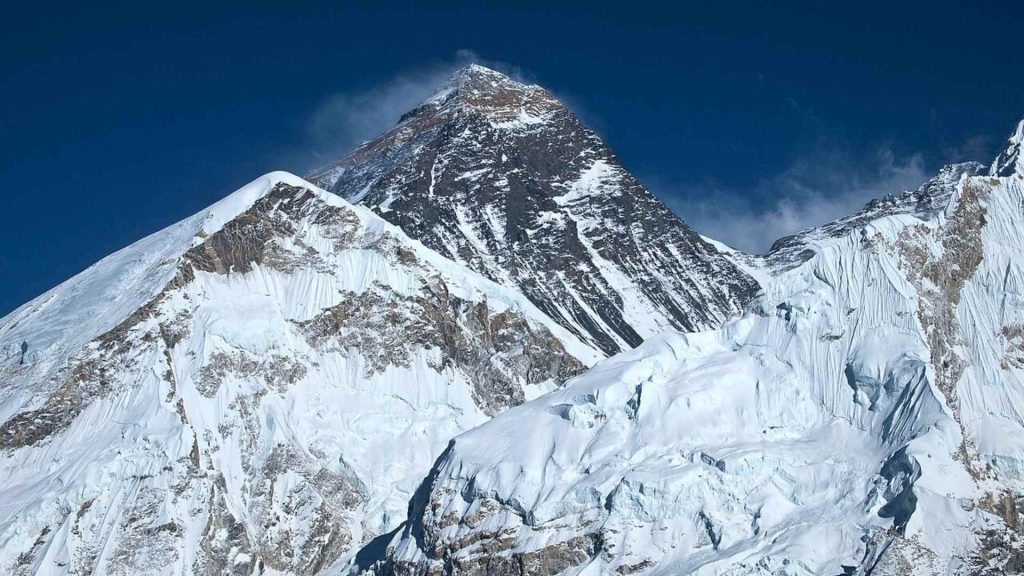
There are two main routes to climb Mount Everest: South Route (Nepal) and North Route (Tibet)
They both are dangerous, helpful, and demanding in their own ways. Some say the Mount Everest South route is the safest, but others believe that going around the crowded South Col benefits the North route. So, which one will you use? Let’s find out!
The Two Main Ways to Climb Mount Everest
1. Mount Everest South Route (Nepal) – The Classic Route
The South Col route on Mount Everest is the most commonly used way of climbing the mountain. It was first used by Sir Edmund Hillary and Tenzing Norgay in 1953 when they became the first people to reach the summit (Note: People who revealed summiting Mount Everest is possible).
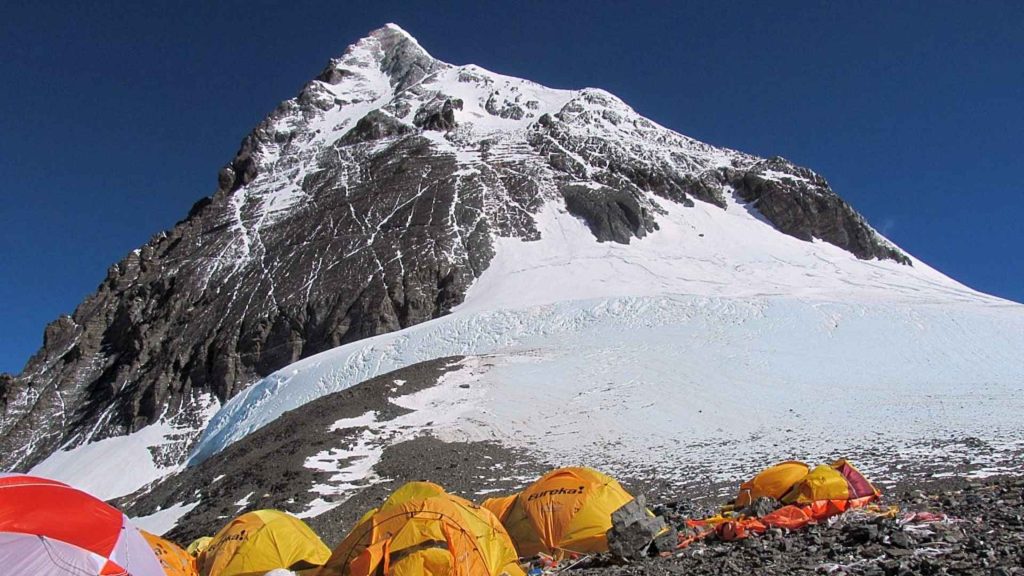
Route Overview:
Start: Lukla → Everest Base Camp (5,364m)
Key Camps:
- Camp 1 (6,065m): Crosses the deadly Khumbu Icefall
- Camp 2 (6,400m): A flat valley with strong winds
- Camp 3 (7,300m): Climbers breathe oxygen here
- Camp 4 (7,900m): The “Death Zone” begins here
- Summit (8,848m): The highest point on Earth!
Benefits of the South Route:
- Greater Rescue Options – Helicopter evacuations are available.
- Greater Success Rate – More climbers have reached the summit. So, the success rate is high.
- More Established Camps – More facilities for climbers.
South Route disadvantages:
- The Khumbu Icefall is Extremely Dangerous – large pieces of ice can fall at any time.
- Expensive Permits – Nepal wants $11,000+ per climber.
- Weather Risks – Weather is highly unpredictable; storms can occur at any time.
- Crowded Route – Hundreds of climbers take this route each season.
The South Col route on Mount Everest is ideal for those climbers who prefer a higher chance of reaching the summit and are not particularly worried about crowds.
Recommendation Read: How Cold is Mount Everest and Where is Mount Everest Located?
2. Mount Everest North Route (Tibet) – The Tougher Challenge
The Mount Everest North Col route is more demanding and steeper than the South Col route. George Mallory and Andrew Irvine made the first ascent in 1924 (although they disappeared just below the summit).
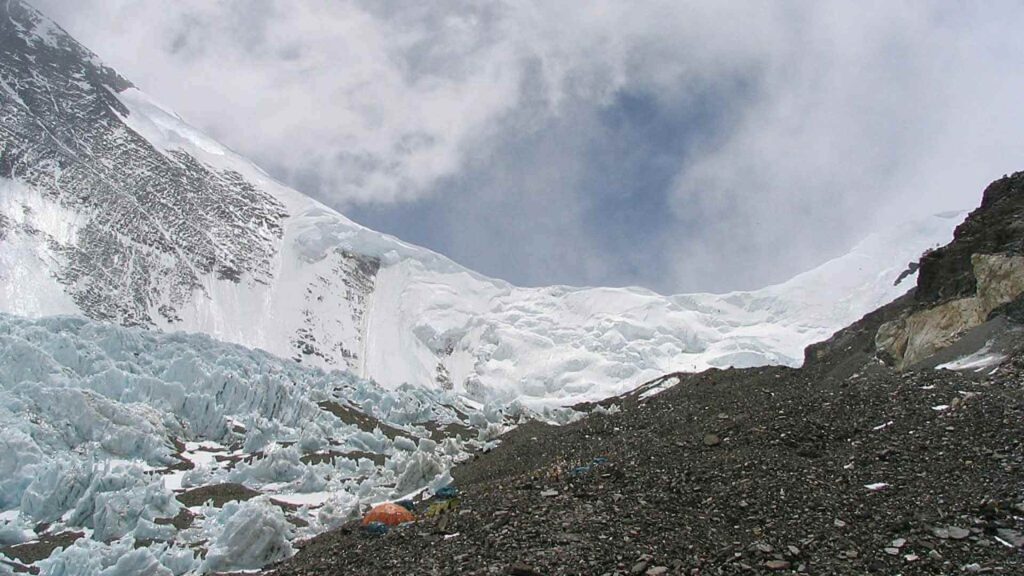
Route Summary:
Begin: Lhasa → Everest Base Camp (5,150m)
Principal Camps:
- Intermediate Camp (5,800m): The first stage towards high altitude
- Advanced Base Camp (6,500m): The world’s highest base camp
- Camp 1 (7,000m): Under the North Col
- Camp 2 (7,600m): The coldest section of the climb
- Camp 3 (8,300m): Short of the summit ridge
- Summit (8,848m): Via Mount Everest North Face route
North Route Advantages:
- Less Crowded – Fewer climbers attempt this route.
- No Khumbu Icefall – Omitting the most dangerous ice segment.
- Slightly Cheaper – Permit fees are lower than those of Nepal.
Negative aspects of the North Route:
- More Technical Climbing – Involves sections that require dangerous rock climbing.
- Harsher Weather – Cold winds make it harder to climb.
- Chinese Restrictions – The Chinese government occasionally denies passage to climbers.
The Mount Everest North Face route is suitable for experienced climbers seeking a less crowded but more demanding ascent.
Also, read our Article “How to Choose the Right Everest Base Camp Trek Route“
Final Comparison: Which Route is Best for You?
| Feature | South Col Route | Best for advanced, technical climbers |
|---|---|---|
| Best For | First-time Everest Climbers | Best for advanced, technical climber |
| Danger Level | High (Khumbu Icefall) | Higher (Rock Climbing) |
| Rescue Options | Helicopter rescue possible | No helicopter rescue |
| Crowds | Very crowded | Fewer climbers |
| Weather | Unpredictable but manageable | Extremely cold & windy |
| Popularity | Most Climbers | Fewer Climbers |
| Difficulty Level | Moderate to Hard | Harder & More Technical |
| Success Rate | Higher Success | Lower Success |
| Cost | More Expensive | Slightly Cheaper |
If you are a beginner climber, then it’s best for you to take the Mount Everest South Col route, but if you are an expert or experienced climber who is looking for a more significant challenge, then the Mount Everest North Col route might be a better choice.
Conclusion
Climbing Mount Everest is more than reaching the summit; it is a matter of endurance, patience, and meticulous preparation. It is always your choice to take either the Mount Everest South route, with its established camps and high success rates, or the North route, which presents a rugged and technical challenge. At the end of the day, whichever way you go, it is bound to be an experience you will treasure for a lifetime.
Various options for climbing or ascent will characterize Mount Everest, depending on the person’s ambitions, situation, or level of preparedness. No matter what, remember the golden rule: safety first.
So, if you want to stand on top of the world, prepare today! Everest will always be there waiting for those brave enough to take the challenge. Are you up to it?
If you are wondering about the Everest climb cost, read our blog “Cost to Climb Everest“
FAQs
When it comes to summiting Everest, climbers typically take one of two main routes:
1. The South Col Route (Nepal): This is the more popular and well-supported route, starting from Lukla and passing through Namche Bazaar, Everest Base Camp, and the Khumbu Icefall before reaching the summit. It’s the same route taken by Sir Edmund Hillary and Tenzing Norgay in 1953.
2. The North Col Route (Tibet): This route begins in Tibet and is considered more remote and wind-exposed, but it avoids the notorious Khumbu Icefall. However, obtaining permits from the Chinese government can be trickier.
Both routes have their own challenges, but most climbers make option for the South Col route due to better infrastructure, rescue options, and historical significance.
Ask Question


Let's Plan Your Trip Together
Tell us what you're looking for, and we'll help you shape a journey around it.
Plan with us