



Mount Everest Wildlife: Discovering Its Flora and Fauna
Ask Question
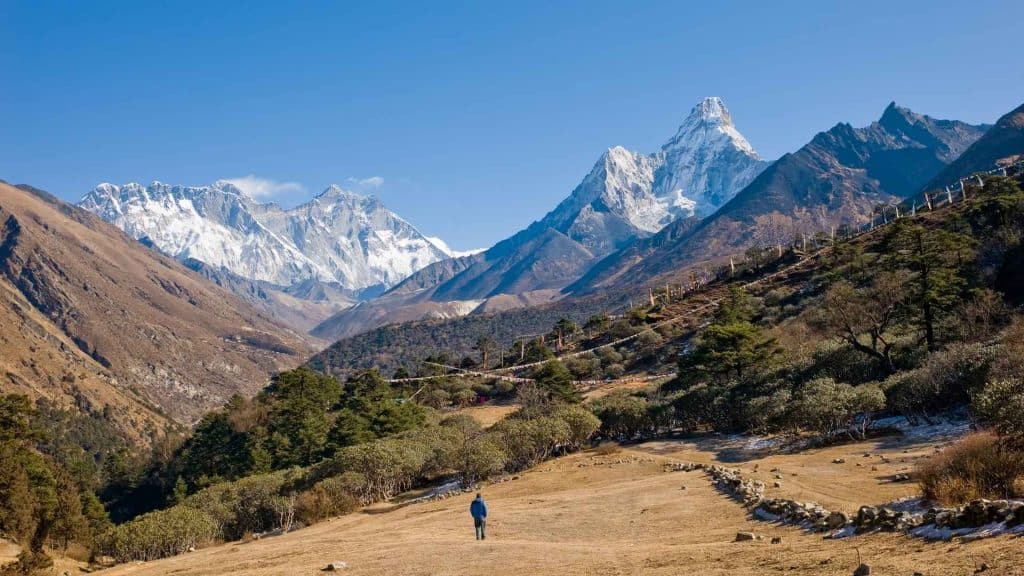
Amazingly, a large variation of flora and fauna exists on Mt. Everest, the highest peak in the world. Some of the Mount Everest wildlife is surviving and prospering with extremely low temperatures, rugged topography, and lesser oxygen availability, includes hardy plants, rare mammals at high altitudes, and rare high-altitude birds. It is the habitat of species that do not occur in any other part of the world, adding to global biodiversity and leaving scientists and explorers in shock.
Some of them include dangerous animals in Mount Everest, like snow leopards, which serve a vital function in the ecosystem. This environment has shaped these organisms into strong survivors—each adapting with different ways of survival in this tough place. Everest fauna shows how life is possible under extreme conditions.
Why Wildlife Conservation Matters at Such High Altitudes
- Fragile Ecosystems: Environments in high-altitude areas, such as Mt. Everest, are rather fragile and easily threatened by changes in climate and human activities. Thus, it is important to conserve these ecosystems to protect their integrity.
- Biodiversity Preservation: They offer shelter to rare and unique species contributing to biodiversity. Protecting such ecosystems helps preserve genetic diversity, which is crucial for adaptation and resilience.
- Ecological Importance: Every species found around Everest plays a crucial role, one way or another, in their ecosystem in terms of predation or even pollination, ecological functions that, if not the case, would negatively affect the environment in terms of its wholesomeness.
- Impact of Climate Change: With increased rates of change in climate conditions, high-altitude habitats, among others, bear the greatest brunt of such changes first. Consequently, such habitats need necessary conservation through the monitoring and mitigation of impacts that may be harmful to the wildlife.
- Cultural and Natural Heritage: Mt. Everest’s wildlife and natural features form part of the cultural heritage of people living near the mountain. Conservation aids in maintaining such relationships; hence, it is of considerable benefit to both people and nature.
- Research and Education Opportunities: Conservation of these unique habitats allows opportunities for scientific research and education on how life has adapted to these extreme conditions, thus informing future conservation.
- Tourism and Economic Benefits: Healthy ecosystems give rise to eco-tourism, which has good economic benefits for local communities and promotes awareness and interest in conserving Mount Everest wildlife.
The Flora and Fauna Found on Mount Everest
Mt. Everest represents the amazing combination of plants and animals that can survive in this cruel environment. Along with snow and rock, the tall peaks show enormous and unexpected varieties of life; many living things adjust to the tough conditions.
1. The Diverse Plant Life that Thrives Against the Odds
The vegetation mostly grows on Mt. Everest in the lower, gentler regions of the mountain. Hardy species include rhododendrons, junipers, and grasses that grow on rocky soil with scarce nutrients. Plants help stabilize soil, prevent erosion and landslides, and provide nutrition and shelter for herbivores. Their ability to put up with strong, icy winds and high UV radiation testifies to nature’s stubborn creativity in the most treacherous ecosystems.
2. Birds of Everest: Masters of Altitude
Birds are among the most visible wildlife on Mt. Everest and possess remarkable adaptations that enable them to navigate in thin air and steep slopes.
i. The Famous Bar-Headed Goose: High-Flyer Over the Himalayas
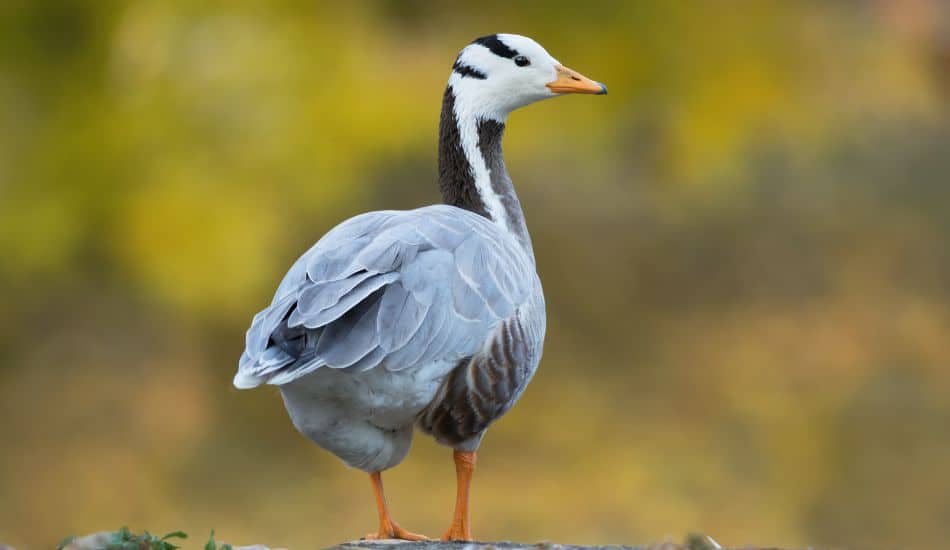
The bar-headed goose is known for its remarkable capability of flying at high altitudes, often migrating over Mt. Everest. Its physiological adaptations include a special type of hemoglobin that enables this bird to utilize oxygen efficiently, hence its ability to soar to heights where other birds would succumb.
ii. Himalayan Snowcock and Blood Pheasant: Unique Residents
Such iconic species as the Himalayan snowcock and blood pheasant are characteristic of high-altitude Himalayas. Their coloring allows them to turn into a piece of rock—the snowcock—but the blood pheasant, with vividly bright red feathers, has adapted well to these cold conditions and is often found in alpine meadows and forests.
3. Mammals Living in the Everest Region
The mammals of Everest are fittingly adapted to such extreme conditions.
i. Himalayan Tahr and Musk Deer: The Herbivores of the Himalayas
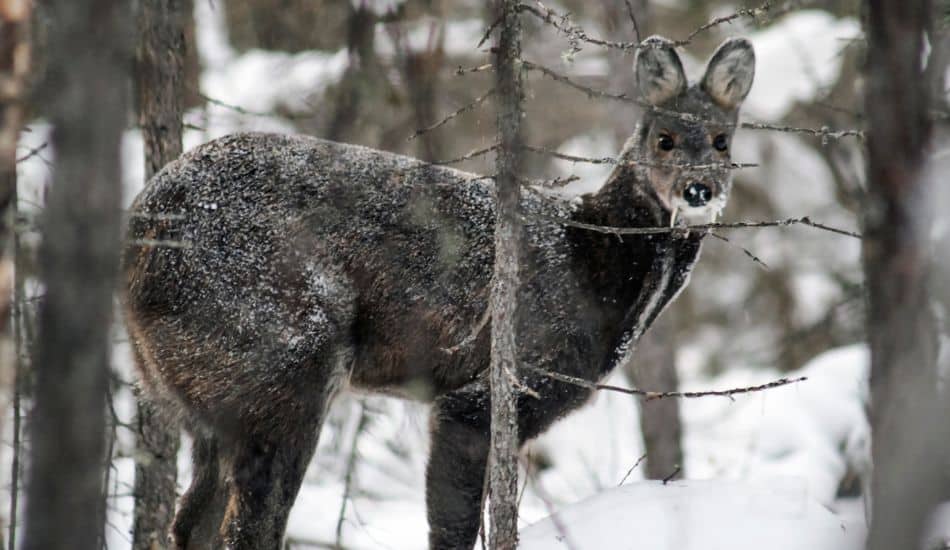
Key herbivores in the Everest area include the Himalayan tahr and Musk deer. The Himalayan Tahr is well adapted to cliffs with its sturdy build and split hooves, allowing it to handle steep inclines while reaching for tough vegetation. Musk deer are elusive and possess a special musk gland; they prefer the dense forests of the lower zones and help maintain the balance in the ecosystem.
ii. Snow Leopards: The Stealthy Apex Predators
The snow leopard is the apex predator in this region. This mammal is known for its great stealth and agility. Thick fur with long tails helps the mammal navigate the rugged terrain while mingling with its surroundings. These majestic cats’ main prey include mountain goats and other herbivorous animals, helping them maintain the ecological balance.
iii. Red Pandas and Their Shifty Habitats
Although they are normally associated with the lower forest areas, red pandas do turn up in the Everest region. Their diets are highly herbivorous, mainly bamboo and cool climates of high-altitude forests. Since they hardly get any sightings, their shifty nature adds more charisma to the wildlife of Everest.
4. Amphibians and Invertebrates: Hidden Residents of High Altitudes
Amphibians and invertebrates, while often unnoticed, also contribute to the dynamics of the high-elevation ecosystem.
i. Butterflies and Beetles: Small Survivors at High Elevation
Insects like butterflies and beetles can be found in various niches along the mountain slopes, showing amazing adaptations that allow them to survive. Small life forms, which fulfill useful functions like pollination and nutrient cycling are quite important to the thin balance of life on Everest. The ability to thrive at high elevations despite the cruel conditions shows how incredible the diversity of life is in this extreme environment.
Unique Adaptations of Mount Everest Wildlife
- High Oxygen Utilization: The bar-headed goose is one of the species that has a special kind of hemoglobin that allows it to utilize oxygen at such high altitudes.
- Thick Fur and Insulation: Mammals, such as snow leopards, have thick fur and layers of fat to act as a buffer against frigid temperatures.
- Camouflage and Stealth: Animals like the Himalayan snowcock easily camouflage themselves in the rocky surroundings to protect them from predation.
- Unique Metabolic Rates: Most high-altitude species have higher metabolic rates to raise heat and produce energy in cold, oxygen-scarce conditions.
- Specialized Feeding Habits: Herbivores, like the Himalayan tahr, will graze on tough vegetation; thus, they have developed strong jaws and digestive systems to derive maximum nutrition.
- Cold Resistance: Some species have developed antifreeze proteins, which enable them to survive in Everest’s coldest areas.
Challenges to Mount Everest Wildlife for Survival
- Climate Change
- Habitat Loss
- Limited Food Resources
- Pollution
- Invasive Species
- Human-Wildlife Conflict
Recommendation Read: How Cold is Mount Everest?
Conservation Efforts and How We Can Help Mount Everest Wildlife
- Establish national parks and protection areas to provide a haven for wildlife.
- Monitoring wildlife populations gives information about their health and needs.
- The involvement of the local community in environmental conservation will enhance its protection.
- Raise awareness about why wildlife conservation matters and the current challenges Everest animals face.
- Support responsible eco-tourism, which benefits local economies without harming the environment.
- Donate or volunteer with groups working toward the protection of high-altitude wildlife.
- Take action that will reduce the occurrence of climate change and affect wildlife.
- Support environmentally friendly farming that does not destroy habitats.
Summing Up
Finally, Mt. Everest is not only the highest mountain in the world but also a mark of extraordinary survival in life. The flora and fauna of the extreme environment signify that nature can sustain itself and grow in these harsh conditions. From dangerous animals like the snow leopards found on Mt. Everest to rare plants that cling to life, each has an important place within the fragile ecosystem here.
Rich biodiversity needs to be understood and preserved to conserve the health of our planet. By exploring and learning about these incredible organisms, we must secure their survival for future generations.
Experience the wildlife of Mount Everest with Boundless Adventure today!
FAQs
In its harsh environment, wildlife at the top of Mount Everest is not that constant; however, some birds could be seen, such as bar-headed goose, at high altitudes. Small organisms, like certain insects, might survive at the bottom part. Most are only a little farther down.
Ask Question


Let's Plan Your Trip Together
Tell us what you're looking for, and we'll help you shape a journey around it.
Plan with us