



Mistakes to Avoid as a First-Time Trekker: Complete Overview
Ask Question
Trekking is one of the most thrilling ways to discover nature, push your limits, and make unforgettable memories. For a first-time trekker, trekking can also have its fair share of challenges. Many beginners commit mistakes that might result in discomfort, exhaustion, or serious risks. We will discuss a few common mistakes people make during trekking and how to avoid them for smooth and enjoyable trekking.
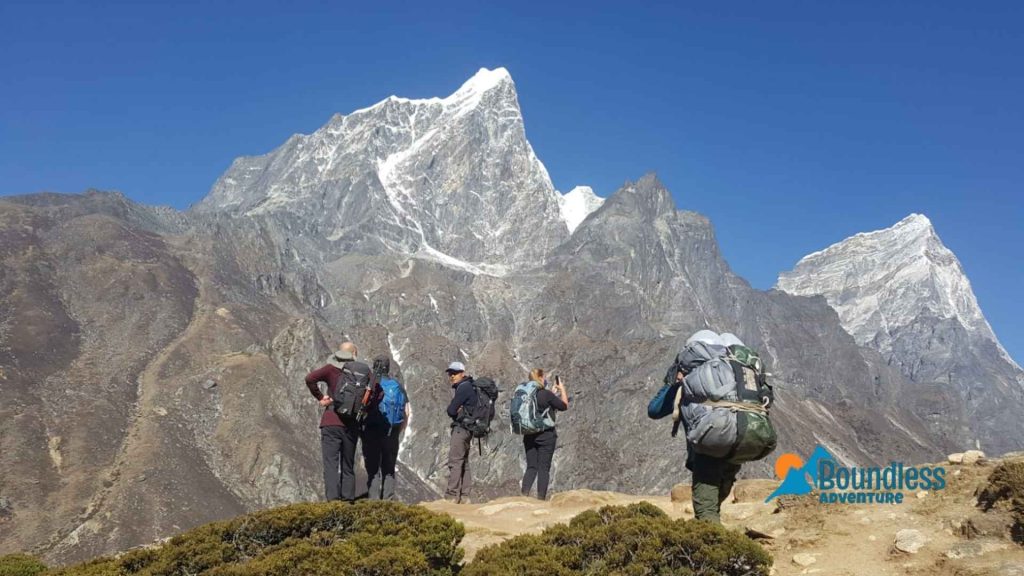
Not Doing Proper Research
One of the biggest mistakes most beginners make is not researching well enough before going on their trek. First-time trekking requires more than just choosing a destination and taking off. You have to be aware of the trail’s difficulty level, the weather conditions, the facilities available, and the local regulations.
Why It’s Important:
- Some trails are much more complex than they appear on paper. Poor research could see you attempting a trek way out of your physical ability.
- Weather conditions vary per region. Trails can become hazardous throughout the year, depending on the time of year.
- Regulations change permits may be required, and guides are sometimes mandatory.
How to Avoid This Mistake:
- Read blogs, travel forums, and official websites to understand your trail.
- Watch vlogs or documentaries about the trek you’re planning.
- Check weather forecasts and seasonal trends before choosing your trek date.
- Talk to experienced trekkers who have done the same trek.
Improper Packing
Another common mistake among first-time trekkers is packing too much or too little. Carrying an overloaded backpack can make your trek exhausting, and missing out on essential gear can make your journey difficult.
Why It’s Important:
- Carrying superfluous things makes you heavier and slows you down.
- Not taking the required gear-say, rain protection or a first-aid kit-may put you in risky situations.
- The right size of the backpack and proper weight distribution help to keep balance and avoid injuries.
How to Avoid This Mistake:
- Use the principle “less is more.” Bring only what you really will need: comfortable clothes, trekking shoes, a water bottle, energy snacks, a first-aid kit, and rain gear.
- Wear a light, comfortable backpack with proper weight distribution.
- Pack smart: Keep water, snacks, and your map easily accessible.
- Avoid taking too many gadgets or extra clothes—only what is needed.
Underestimating the Weather
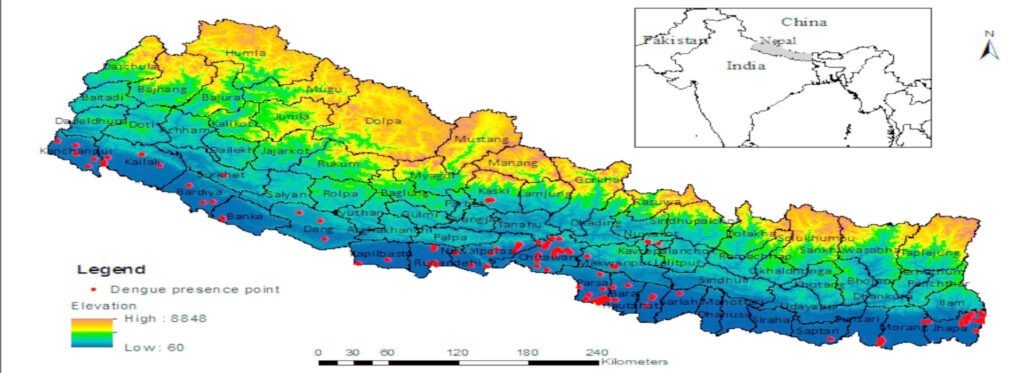
The weather in the mountains and on trekking trails can be very unpredictable. Many first-time trekkers make the mistake of assuming that when it is sunny at the start, it will stay that way throughout the day.
Why It’s Important:
- The weather condition in mountainous regions changes rapidly. In a few hours, a sunny morning can turn into heavy rain or snowfall.
- Without proper preparation, bad weather can result in hypothermia, dehydration, or heatstroke.
- Poor weather conditions make trails slippery and result in accidents.
How to Avoid This Mistake:
- Check the weather forecast always before your trek.
- Pack extra layers of clothing to adjust to changing temperatures.
- Carry rain protection even if the forecast is clear.
- Start your trek early in the morning to avoid afternoon weather shifts.
Disrespect to the Local Culture and Nature
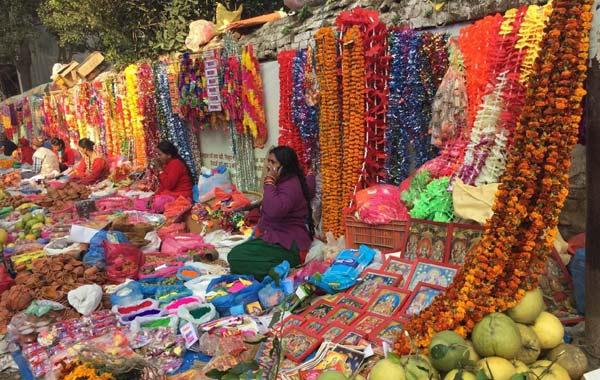
Most of the trekking routes lie through rural areas, indigenous communities, or protected natural spaces. As guests, trekkers should not violate local mores and the environment.
Why It’s Important:
- Trekking destinations may have some cultural or religious importance to the people of the area. Disrespect of traditions can lead to disputes. Read blog, Culture & Tradition in Nepal.
- Littering and damaging the environment take a toll on wildlife and the beauty of the trail.
- Being respectful ensures that future trekkers will have the same experience without hurting the ecosystem.
How to Avoid This Mistake:
- Learn basic local customs and etiquette before trekking.
- Ask for permission before taking any photos of local people or religious sites.
- Follow the “Leave No Trace” principle: carry your trash and avoid disturbing plants and animals.
- Support the local economy by buying from local vendors or hiring local guides.
Ignoring Proper Guidelines
Every trek route has rules and regulations in its way, which most amateur trekkers neglect due to either overconfidence or lack of knowledge.
Why It’s Important:
- Guidelines exist for your safety, but ignoring them can lead to accidents or getting lost.
- Trails may have special restrictions, such as avoiding certain areas to preserve wildlife. protect wildlife.
- Some trekking places also involve fines or, worse, legal actions if the rules are not followed.
Recommendation Read: Nepal Trekking Guide Cost: Everything You Need to Know Before Trekking
How to Avoid This Mistake:
- Read and understand all guidelines before embarking on your trek.
- Stay on the trails, and do not take shortcuts.
- Follow the local rules on making campfires, disposing of garbage, and observing wildlife.
- When a guide is necessary, always hire one for your own safety.
Neglecting Physical Preparation
Trekking involves hard activities; thus, most beginners ignore the level of fitness required for this activity. If you are not prepared properly then you may have problems with endurance, muscle pain, health issue or even some serious injuries.
Why It’s Important:
- Trekking requires stamina, strength, and balance. Without preparation, you may experience fatigue or cramps.
- Changes in altitude can be quite a stressor on the body, especially for persons who are not used to high altitudes.
- Not being physically fit invites knee pain, back pain, and injuries.
Read Blog: How to Prepare For Annapurna Base Camp Trek
How to Avoid This Mistake:
- Start at least a month in advance of your trek. Practice hiking on uneven terrain.
- Strengthen your legs and core with squats, lunges, and planks to avoid any injuries.
- Improve your endurance with cardio activities like jogging, cycling, or swimming.
- If trekking at high altitudes, gradually increase exposure to higher elevations before your trip.
Neglecting Nutrition and Hydration
Most novice trekkers either do not eat enough or eat the wrong kind of food. Equally disturbing is dehydration, which might cause dizziness, headaches, and exhaustion.
Why It’s Important:
- The human body needs energy, especially on long treks, to move on. If you stop eating, your body will be weak.
- Insufficient hydration may lead to altitude sickness, muscle cramping, and general fatigue.
- Junk food/processed snacks do not give good energy levels and lead to stomach upset.
How to Avoid This Mistake:
- Eat a balanced meal, including protein, healthy carbs, and fats, before your trek.
- Carry lightweight, nutritious snacks like nuts, energy bars, and dried fruits.
- Drink water frequently, even if you don’t feel thirsty. Aim for at least 2–3 litres per day.
- If trekking in high-altitude areas, your body will be slightly dehydrated even after sipping water thoroughly during the journey; avoid alcohol and caffeine, as they can dehydrate you more.
Conclusion
First-time trekking is indeed an exciting adventure, but it requires a lot of preparation and must be kept away from basic mistakes. Studying your trail, packing smart, respecting nature, adhering to guidelines, and keeping fit with proper nutrition will help one ensure that the journey may be safe and pleasurable.
Mistakes are part of learning, but an overview helps you go smoother and more memorable on a trek. Lace up the boots, plan wisely, and off you go on your first trek!
Let Boundless Adventure help you guide your guide correctly for your first trekking to avoid any mistakes and to have a fantastic adventure.
FAQ’s
The most common mistakes first-time hikers make are:
- Not checking the weather
- Wearing the wrong clothing
- Not bring enough food and water
- Physical unprepared
- Not enough information(research)
- Ignoring guidelines
Ask Question


Let's Plan Your Trip Together
Tell us what you're looking for, and we'll help you shape a journey around it.
Plan with us