



Hiking Vs Trekking
Ask Question
Even though Hiking and Trekking are interrelated, they are two different things. Many people around the world need clarification on the difference between a hike and a trek. This blog will clear your doubts about Hiking vs. Trekking. Many people treat hiking and trekking as synonyms, using them interchangeably without considering their differences. Yes, there are some similarities between a hike and a trek. Let's delve into the differences between a hike and a trek.
In short, Hiking is a long walk in a park or forest that generally lasts for a day or two. Likewise, Trekking is a multiday hike that takes you to a specific destination. Trekking is more challenging than Hiking.
What is Hiking and Trekking?
In simple terms, Hiking refers to walking a certain distance, often on trails or footpaths. It is generally done in natural environments such as forests, mountains, or national parks. The hike typically lasts a day or two and covers a certain distance. It is a popular outdoor activity, and many people spend their weekends hiking nearby. You generally pack all the gear you need for a hike. You will generally cover around 3 to 50 kilometers during a hike. Hiking is a long walk into nature for refreshment or pleasure.
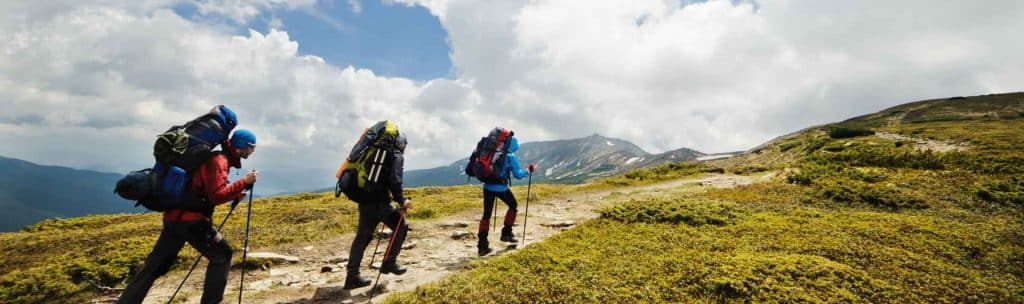
On the other hand, Trekking refers to a journey that involves hiking for several days. Trekking generally lasts multiple days and involves challenges. You will typically hike several kilometers to reach your targeted destination, where you will spend multiple days or weeks in nature. It is also a form of walking that lets you explore and enjoy the scenery.
In Nepal, Hiking and Trekking are popular outdoor activities for domestic and international tourists. The Himalayan nation offers numerous hiking and trekking trails. Many people trek in Nepal to explore the scenic beauty of the Himalayas. If you're in Nepal and short on time, you will have multiple hiking options to explore nature.
Popular Hiking Destinations
Nagarkot Trail
This is one of the short, nearby hiking trails near Bhaktapur. If you plan to visit the hill station while visiting Kathmandu, hiking up to Nagarkot is the best option.
Sundarijal Hike
Sundarijal Hike is one of the most popular hikes in Kathmandu Valley. It is a short hike where you can soak in nature, stepping away from the bustling city of Kathmandu. It attracts thousands of hikers every month.
Chandragiri Hike
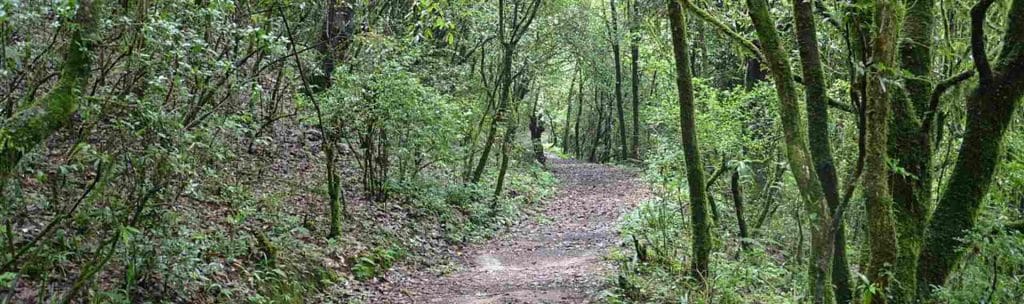
The hiking craze to Chandagiri is rising. This trail leads you to the top of Chandragiri Hill, a small hill station with a resort, a few restaurants, and a famous temple of Lord Shiva. From the top of the Chandragiri hills, you can enjoy the views of the breathtaking Himalayas and the beautiful Kathmandu Valley.
Kakani Hike
Another promising hike is to Kakani, Nuwakot. Along the way, you can encounter various animals. The hike offers stunning views of the Himalayan range, including peaks like Ganesh Himal and Langtang. Recently, Kakani has become a popular hiking spot.
Champadevi Hike
It is one of the easiest and shortest hiking trails from Lalitpur. The trail leads to the hilltop, where a temple dedicated to Goddess Champadevi stands. It also allows a scenic view of the Kathmandu Valley.
Phulchowki Hike
Phulchowki Hike is another popular hike in Lalitpur. During the winter months, the hilltop receives snowfall. Many people from the Valley trek to Phulchowki to enjoy the snow. Besides that, you can also enjoy panoramic views of the Himalayan range and the beautiful Kathmandu Valley from the top of Phulchowki.
Shivapuri Hike
Shivapuri Hike has to be the go-to hike for people in the Kathmandu Valley. Hiking in the Shivapuri National Park offers you the chance to encounter different Flora and Fauna that are protected in the park. Moreover, it also offers numerous trails that pass through the national park.
Popular Trekking Destinations
Everest Base Camp Trek
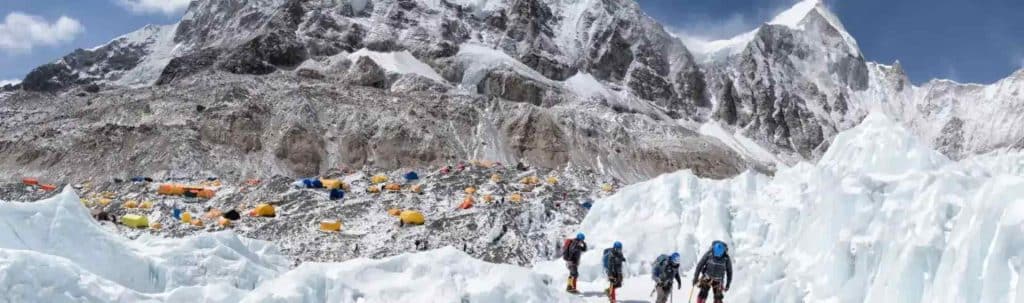
It is one of the most popular treks in Nepal. It generally lasts around two weeks, and the trails lead to the base of the Gigantic Everest. It attracts thousands of trekkers every year. You can witness the panoramic views of the Himalayan range. This EBC trek will also allow you to experience the lifestyle of the Himalayan people.
Annapurna Base Camp Trek
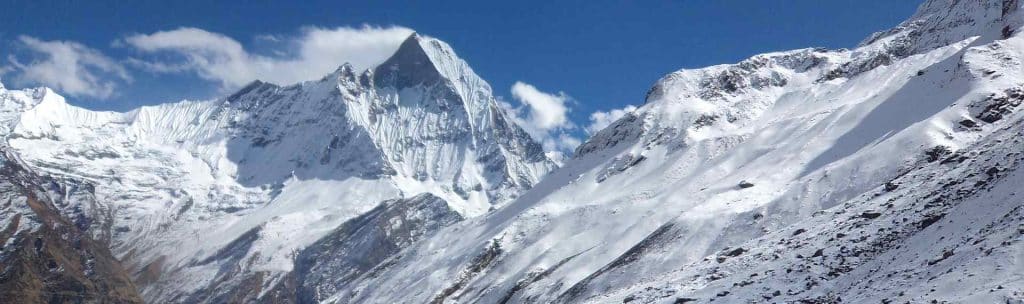
It is one of Nepal's famous treks. This ABC trek will take you to the base of Annapurna Mountain. It generally lasts for a week. While trekking in this region, you will pass through several charming villages and lush forests.
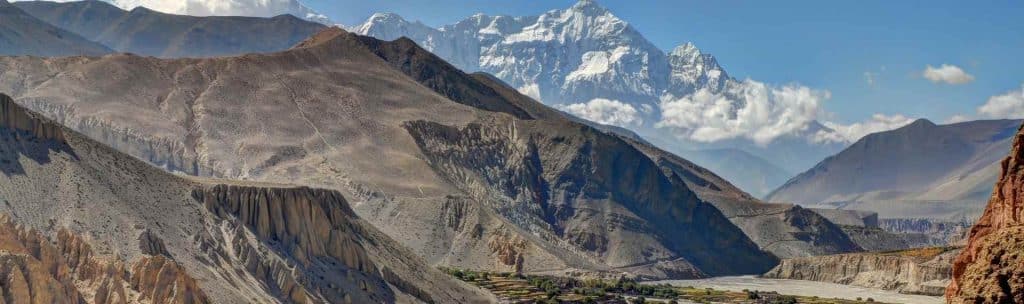
Upper Mustang Trek
The Upper Mustang Trek is another popular trek that allows you to explore remote parts of Nepal. It is known for its unique landscape, ancient monasteries, and rich Tibetan culture. Trekking to the Upper Mustang will allow you to witness the panoramic views of Annapurna and the Dhaulagiri mountain range.
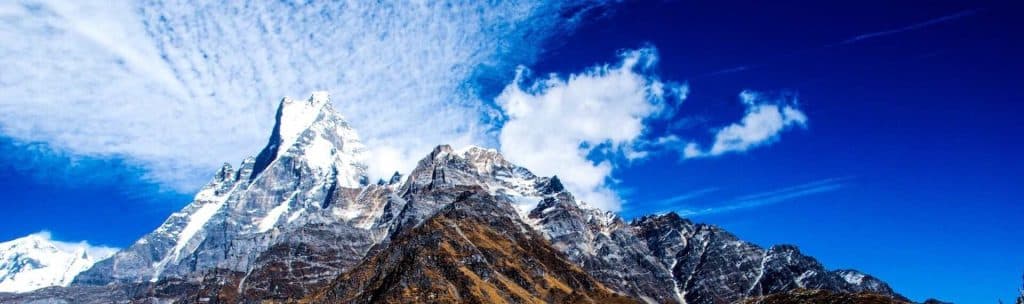
Mardi Himal Trek
Mardi Himal Trek is one of Nepal's short trekking trails. It is also the nearest trail to Pokhara, Nepal's tourism capital. This trek perfectly blends local culture, charming villages, and picturesque mountain ranges. It is best suited for beginners.
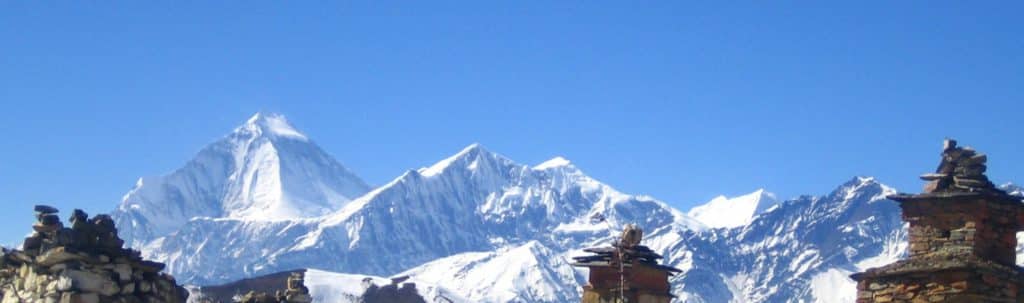
Annapurna Circuit Trek
Annapurna Circuit Trek is one of the most popular long-distance treks in the world. Depending on your itinerary, you will cover a distance of around 160-230 km in this trek. The trek begins at the low foothills at around 800 meters and reaches the Thorong La Pass at 5400 meters. This Annapurna circuit trek circles the Annapurna Massif, giving you panoramic views of the Annapurna mountain range.
Read More: Annapurna Circuit Trek Vs. Annapurna Base Camp Trek
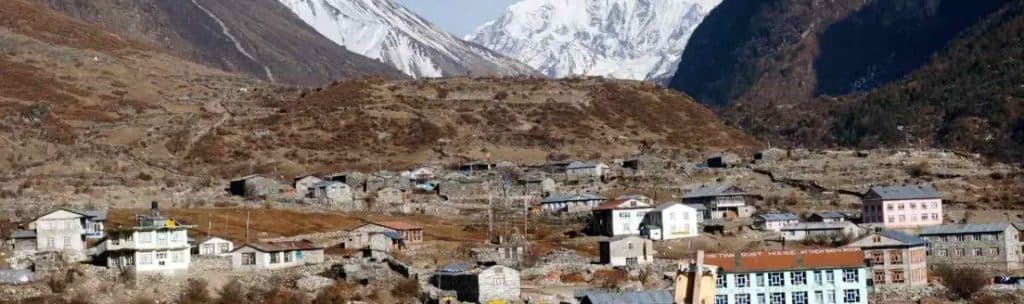
Langtang Trek
Langtang Valley Trek is another popular trek in Nepal. It is the nearest trekking destination to Kathmandu Valley. While hiking in the Langtang region, you will traverse dense forests and alpine meadows and witness the stunning views of the Langtang Mountain Ranges. The trek to Langtang also includes visits to traditional Tamang Villages and sacred Buddhist sites such as Kyanjin Gompa. Many beginners begin their trekking journey through this trek.
Importance of Outdoor Activities
Hiking and Trekking are popular outdoor recreational activities that involve walking in natural environments, usually on trails or paths. Although often used interchangeably, Hiking generally refers to shorter walks on well-defined trails, usually completed within a day and requiring minimal equipment. Trekking, on the other hand, involves longer journeys spanning multiple days, often through more rugged and remote areas, necessitating greater preparation, endurance, and specialized gear.
Outdoor activities always have physical health benefits. Likewise, Hiking and Trekking have both physical and mental health benefits. You'll escape daily stress, reconnect with nature, and enjoy beautiful landscapes. They also improve your mood and mental clarity. Hiking or trekking in nature will enhance your lower body. Hiking and Trekking will help strengthen your thighs, hips, legs, etc. Moreover, walking on rugged terrain is important for bolstering your body.
When you hike or trek, you'll have the chance to bond with friends and family or meet new people with similar interests. You will realize the importance of nature and feel responsible for protecting and promoting it. It is always great when anyone recognizes the importance of natural habitats for wild animals. This will help to develop a greater appreciation for nature. Incorporating these activities into your routine will lead to a healthier, more balanced lifestyle and improve overall well-being.
Advantages of Hiking Vs Trekking
There are numerous benefits of Hiking, and some of them are listed below:
Improves Physical Fitness: Hiking and trekking help strengthen muscles, improve cardiovascular health, and boost stamina.
Reduces Stress: Spending time in nature can lower stress levels and improve mental well-being.
Enhances Mood: Physical activity and spending time in the outdoors can release endorphins, improving mood.
Boosts Creativity: Exposure to nature can enhance creative thinking and problem-solving skills.
Promotes Social Connections: Hiking or trekking with friends or groups fosters social interaction and strengthens relationships.
Encourages Personal Growth: Overcoming challenges and reaching new heights builds confidence and resilience.
Promotes Environmental Awareness: Trekking in natural environments increases appreciation for nature and encourages environmental conservation.
Key Differences Between Hiking and Trekking
| Hiking | Trekking |
| Hiking is a long walk that might involve specific trails or paths. | Trekking is a long, multiday hike that always includes a journey to a specific destination. |
| The duration of the hike usually lasts for a day or two | Trekking is a multiday journey that might last a month or more. |
| Generally, the trails you go on a hike are well-marked and paved, as it is often done in parks, reserves, etc. | Trekking will take you through remote, rugged terrain where paths are often unmarked or unpaved. |
| The physical demands of a hike are moderate, making it suitable for beginners. | Trekkers will need good physical Fitness and sufficient stamina for long, multiday walks. |
| It generally doesn't require any equipment or preparation. | You need a few pieces of equipment and must be somewhat prepared for the trek. |
| It is budget-friendly, as a hike doesn't cost much. | Trekking is expensive, and you will need money for a safe and luxurious trek. |
| The main goal of a hike is recreation or short-term exercise. | The main goal of a trek is to explore and enjoy a long-term adventure. |
| Generally, the trails you go on a hike are well-marked and paved, as it is often done in parks, reserves, etc. | You might need a little experience, depending on where you're about to trek. |
Health Benefits of Hiking and Trekking
Hiking and Trekking offer several physical and mental health benefits. They also play a vital role in improving overall Fitness. They engage multiple muscle groups, enhancing strength, endurance, and cardiovascular health. Regular Hiking is one of the best forms of exercise. It helps with weight management and improves bone density. You will be hiking in varied terrains where you must balance your body.
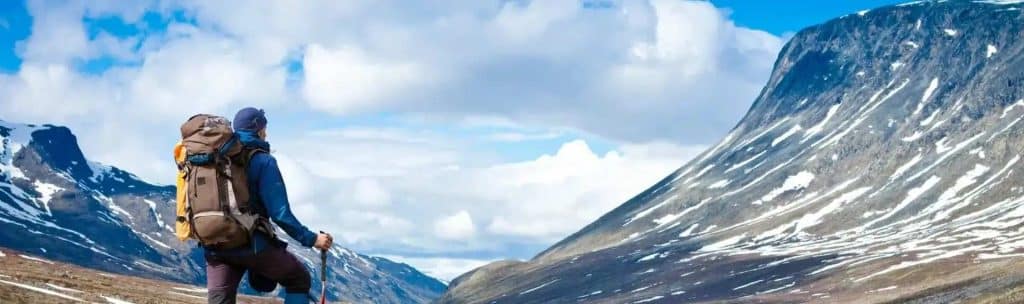
Hiking or Trekking also helps with body balance and coordination. Regular Hiking or Trekking boosts your heart health and lowers blood pressure, reducing the risk of stroke. Moreover, it is an excellent exercise that improves your lower body. Your thighs, lower leg muscles, hips, and hamstrings will all be strengthened.
Both Hiking and Trekking provide significant mental benefits. Hiking and Trekking offer a natural remedy for stress and anxiety by lowering cortisol levels. Walking in a peaceful environment and soaking up the fresh air will give you a feeling of relaxation. This mental refreshment from a hike or trek will increase your creativity and improve your problem-solving skills. Additionally, it is one of the most beloved adventures, allowing you to witness and appreciate nature's beauty.
Furthermore, Hiking or Trekking establishes a deep connection with nature and raises environmental awareness. Combining physical health benefits, mental relaxation, and ecological engagement, Hiking and Trekking are beneficial activities for health and well-being.
Environmental Impact and Sustainability
Hiking and Trekking can impact the environment through trail erosion, littering, and the disruption of wildlife habitats. A hiker should always be careful about their impact on the natural environment. They should follow the Leave No Trace principles to minimize their impact on the natural environment. If you're hiking in the natural habitat, you should always pack out your garbage and dispose of it properly.
Do not try to destroy the natural habitat; walk only on a marked trail. Do not make sound; observe and soak yourself in the beauty of nature. These practices help preserve natural areas and reduce the human footprint.
Our responsibility is to preserve and protect these beautiful trekking trails for future generations. Sustainability in Hiking or Trekking involves using eco-friendly gear, supporting local economies, etc. You should opt for reusable products, avoid plastics, and respect local culture and traditions. It is a practice in which you educate yourself about the local ecosystem and wildlife, promote their conservation, and encourage others to adopt the same environmentally friendly policies during outdoor activities.
Gear and Equipment for Hiking and Trekking
You can only go on a hike or trek with proper planning and careful gear selection. Your gear and equipment determine the safety and comfort of your trek. Some of the gear and equipment that you need while hiking or trekking in Nepal are:
Gear and Equipment for Hiking
- Hiking shoes
- A hiking bag
- Light clothes
- A windcheater
- Water bottle
- First Aid Kit
- Light snacks pack
Gear and Equipment for Trekking
- Light thermal-layer clothes
- Fleece and Down jackets
- Windcheaters and waterproof jackets
- Light Trousers and half pants
- Trekking pants or trousers
- Hiking shoes and trekking boots
- Socks, Gloves, and Hats
- A backpack and towels
- First aid kits
- Trekking poles and torchlight
- Quick energizing snacks
- Camera and mobile phone
- Sunglasses and sunscreen
Conclusion
In conclusion, Hiking and Trekking offer an excellent opportunity to explore nature. It also helps improve your physical and mental health. These popular outdoor activities cater to different levels of adventure and commitment. Hiking is typically shorter and doesn't require any skills, making it best suited for beginners.
On the other hand, Trekking involves longer, more challenging multiday journeys that require specific physical Fitness. Both provide excellent opportunities to explore nature and refresh your mind. You can identify their differences and choose an activity that suits your preferences and abilities.
FAQs
No, Trekking doesn't involve climbing. Climbing is for mountaineers with specific technical skills. It requires special equipment. You might face some steep ascent or descent during a trek, but it cannot be classified as a climb. During the expedition, you can experience both a trek and a climb.
Ask Question


Let's Plan Your Trip Together
Tell us what you're looking for, and we'll help you shape a journey around it.
Plan with us