



Essential Trekking Preparations for Nepal
Ask Question
Have you ever imagined standing on a quiet mountain trail, surrounded by the snowy peaks of the Himalayas and the peaceful sound of prayer flags fluttering in the wind? That’s the kind of magic Nepal offers to trekkers worldwide.
The country has some of the most iconic trekking routes—Everest Base Camp, Annapurna Circuit, Langtang Valley, and more. However, trekking here involves more than climbing to new heights or taking flawless Instagram pictures. The journey itself is the focus, including trekking preparations for Nepal, the people you meet in isolated towns, the tea you enjoy in hazy kitchens, and how the mountains make you feel humbled at every turn.
But here’s the truth: Trekking preparations for Nepal are not something you should take lightly. It’s a physically exhausting, logistically challenging, and frequently transformative experience. Altitude, severe weather, or a lack of preparation can overwhelm you if you arrive unprepared. However, if you plan and prepare thoroughly, you will be rewarded with a trek that will last a lifetime.
That’s why Boundless Adventure exists. Over the past decade, we’ve walked these trails, listened to fellow trekkers, and learned what truly matters on a Himalayan journey. From choosing the right season to what gear to bring, this is your no-nonsense, friendly, experience-backed trekking preparation for Nepal.
Key Takeaways
- Planning the right season can make or break your trek experience.
- Physical fitness matters, but trekking gear and acclimatisation are equally important.
- Permits and paperwork are mandatory—don’t forget them.
- Deciding between guided and independent trekking depends on your comfort and experience.
- Altitude sickness is manageable with proper precautions.
- Respecting local culture and the environment enhances your trip.
- Budget wisely and prepare for cash needs in remote areas.
1. Choosing the Right Time to Trek
When it comes to trekking preparations for Nepal, timing is everything. Throughout the year, there are significant changes in the weather, trail conditions, and even the number of visitors. Because of the beautiful skies, pleasant temperatures, and breathtaking mountain vistas, most hikers choose spring and autumn.
- Spring (March–May): This is when the rhododendrons bloom, painting the hillsides in red and pink. It’s warm enough during the day but can still be chilly at night.
- Autumn (September–November): Often called the best time to trek in Nepal, autumn has stable weather and brilliant visibility. This season is popular, so expect more fellow trekkers on the trails.
- Winter (December–February): This season is not for everyone, especially if you’re heading high. Some lower routes are accessible and less crowded, but prepare for freezing temperatures and possible snow.
- Monsoon (June–August): Heavy rains can make trails slippery and dangerous. The landscape is lush and green, but trekking is recommended only in rain-shadow areas like Upper Mustang.
If you’re flexible, planning your trek for spring or autumn will give you the best chance of pleasant weather and breathtaking scenery.
2. How to Get Physically Ready
Even if you’re not a regular athlete, building some fitness before your trek is a crucial part of trekking preparations for Nepal that will make a huge difference. The key is consistency—start training several weeks before your trip.
- Cardio workouts: Walking, jogging, swimming, or cycling for at least 30 minutes, 3–4 times a week, can boost your stamina.
- Strength training: Focus on your legs with squats, lunges, and step-ups. Strong legs help with uphill and downhill walking.
- Flexibility and balance: Yoga or stretching routines prevent injuries and improve stability on uneven paths.
- Practice hikes: If you can, take weekend hikes with your loaded backpack to get used to carrying weight and wearing your boots.
Physical preparation isn’t about being perfect, but being ready enough to enjoy your trek comfortably and avoid common injuries is part of smart trekking preparations for Nepal.
3. What to Pack: Your Gear Guide
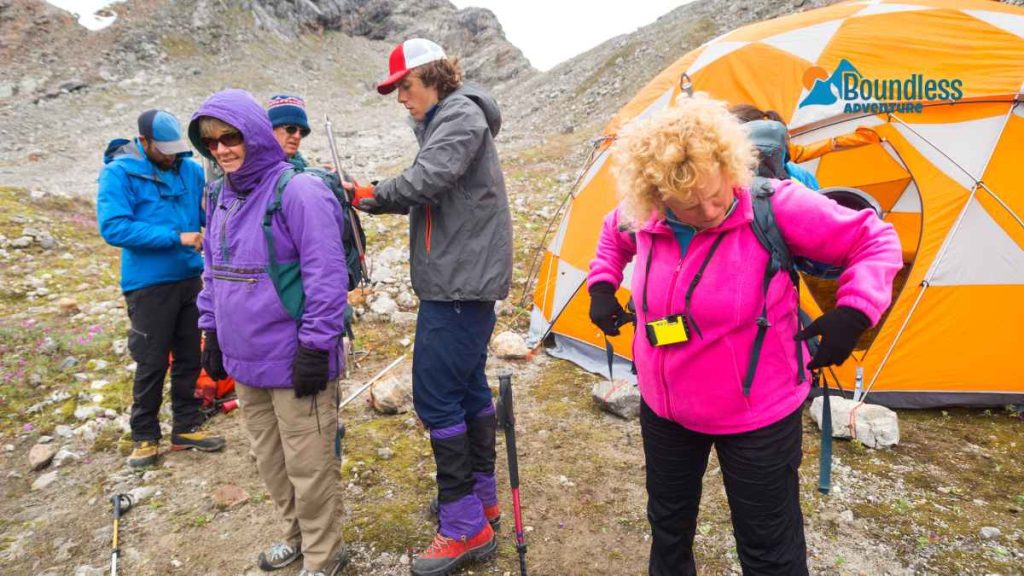
Packing smartly is part of successful trekking preparations for Nepal. Overpacking can slow you down, but forgetting essentials could ruin your trek.
Clothing
Layering is the secret. Base layers wick sweat, mid-layers keep you warm, and outer layers protect you from wind and rain. Quick-dry fabrics are best.
- Breathable base layers (thermal tops and leggings)
- Warm fleece or down jacket
- Waterproof jacket and pants
- Gloves, woollen hat, sunhat, and sunglasses
Footwear
Comfortable, sturdy boots with ankle support are a must. Always break them in before the trek to avoid blisters.
- Trekking boots (waterproof preferred)
- Camp shoes or sandals for evenings
Essentials
- Trekking poles help reduce strain on knees.
- Headlamp with spare batteries for early starts or power outages.
- A reusable water bottle or hydration bladder is needed to stay hydrated.
- Basic first aid kit (bandages, antiseptic, blister pads).
- Personal toiletries (biodegradable soap, sunscreen, lip balm).
- Snacks like nuts, energy bars, or chocolate.
If you forget something, Kathmandu and Pokhara have many outdoor stores where you can buy or rent reasonably priced gear. This can also be a chance to lighten your load if you don’t want to carry everything from home.
4. Permits and Paperwork You Need
Understanding Trekking permits in Nepal is vital to trekking preparations for Nepal. Authorities require permits to monitor visitors and protect trekking areas.
- TIMS Card: The Trekkers’ Information Management System card is mandatory for most treks and costs around USD 20 for individual trekkers.
- National Park Permits: Depending on your route, you may need entry permits for areas like Sagarmatha National Park (Everest region) or Annapurna Conservation Area.
- Restricted Area Permits: Treks like Upper Mustang or Manaslu require special permits from authorised trekking agencies.
- Always carry your passport, permit copies, and photos. Some checkpoints on the trail ask to see these documents, and losing them can cause delays or fines.
5. Should You Go With a Guide or Solo?
When it comes to guided vs. independent trekking in Nepal, it depends on your experience, preferences, the trail you choose, and trekking preparations for Nepal:
- Guided treks provide peace of mind. A guide handles navigation, arranges accommodations, and enriches your trip with local knowledge. This option suits first-timers or those unfamiliar with Nepal.
- Independent trekking offers freedom to explore at your own pace but requires solid planning skills and confidence with maps or GPS.
- Group treks are also popular, especially for solo travellers wanting company or a lower per-person cost.
- Some areas, mainly restricted regions, now legally require guides. Always check up-to-date regulations before your trip.
6. Health and High Altitude Tips
Altitude is a significant factor in Nepal trekking. Knowing how to prevent and recognise altitude sickness is a crucial part of trekking preparations, and it can save your life.
- Ascend gradually: Avoid rapid altitude gain by taking rest days and “climbing high, sleeping low.”
- Hydrate well: Drink 3 to 4 litres of water daily to help your body adjust.
- Limit alcohol and smoking: Both can worsen dehydration and altitude sickness.
- Watch symptoms: Early signs include headache, nausea, dizziness, and fatigue. If symptoms worsen, descending is the safest option.
- Medications like Diamox can help, but consult your doctor before use. Always have travel insurance covering high-altitude trekking and possible evacuation.
7. Cultural Awareness & Responsible Trekking
Trekking is about more than mountains—it’s about people and their way of life. Responsible tourism is a part of trekking preparations for Nepal, protects the environment, and enriches your experience.
- Greet locals with “Namaste” and a smile.
- Dress modestly to respect traditions.
- Avoid single-use plastics; carry reusable bottles and bags.
- Support village economies by staying in local teahouses and buying handmade crafts.
- Leave No Trace means packing out your trash and minimising your footprint. This attitude helps preserve Nepal’s fragile ecosystems for future trekkers.
9. Popular First-Time Treks
Selecting a beginner-friendly route is essential for your trekking preparations for Nepal if you’re starting. In addition to matching your fitness level, the ideal trail adds cultural depth, cozy teahouses, and stunning views to your trek. The following three destinations are best for beginner trekkers:
1. Langtang Valley Trek
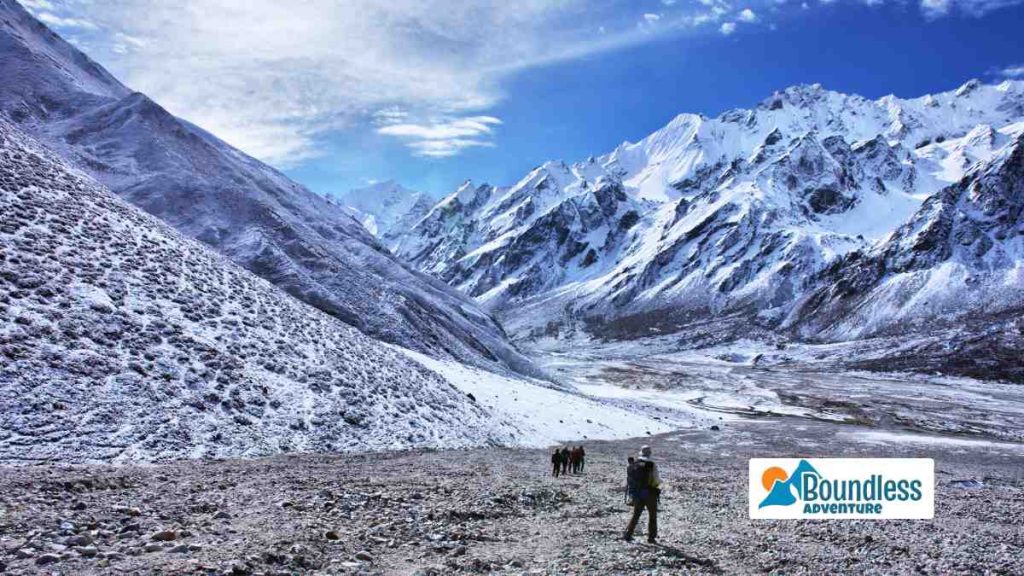
The Langtang Valley Trek is a gem just north of Kathmandu. It’s a relatively short trek (7–10 days), but the rewards are enormous majestic mountain views, dense forests, and welcoming Tamang villages. With fewer crowds and many teahouses, it’s an excellent choice for those seeking solitude and authenticity in their first Himalayan journey.
For a better understanding of the route and key landmarks, you can refer to this detailed map of the Langtang Valley Trek
2. Annapurna Base Camp Trek
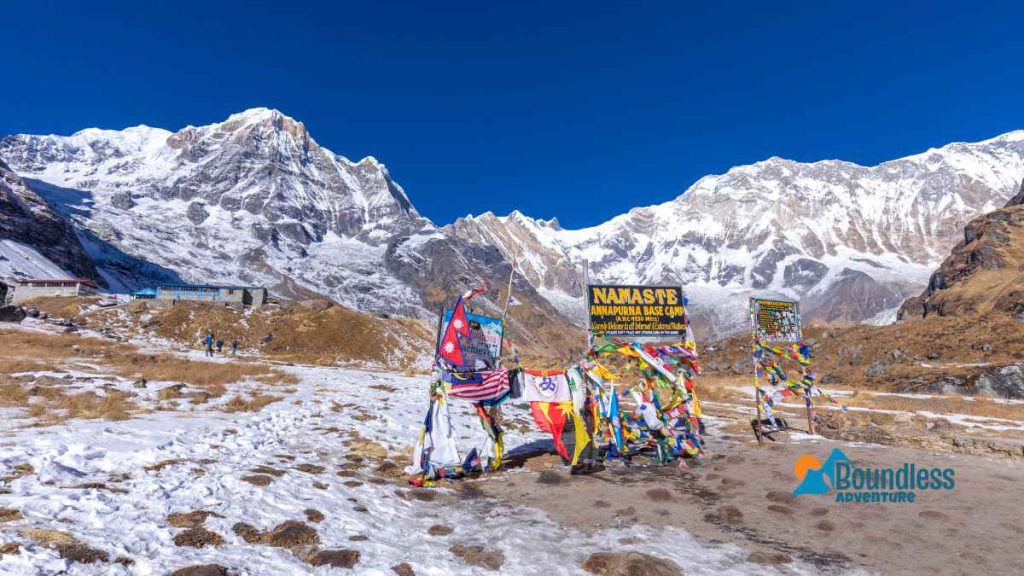
This classic route takes you into the heart of the Annapurna region. The trek winds past small towns, verdant forests, and terraced hillsides before arriving at a breathtaking high-altitude amphitheatre encircled by majestic peaks.
If you’re new to high-altitude hiking, these beginner guides for the Annapurna Base Camp trek offer essential tips and advice to help you prepare. This trail features first-rate facilities and assistance all along the way if you’re making trekking preparations for Nepal with comfort in mind.
This detailed Annapurna Base Camp trek map provides a visual overview of the trail and major waypoints.
3. Everest Panorama Trek
Not quite ready for Everest Base Camp? The Everest Panorama Trek is perfect for a shorter adventure (5–7 days) with lower altitude but equally inspiring views. You’ll pass through iconic places like Namche Bazaar and Tengboche Monastery while catching glimpses of Everest and Ama Dablam. It’s a fulfilling introduction to the Khumbu region without pushing your limits.
Regardless of the location you decide to journey to, treks are great starting points for exploring the world of Himalayan adventure because each one has its unique magic. Including one of these choices in your trekking preparations for Nepal ensures a meaningful and manageable beginning to your trekking adventure.
Check out this map of the Everest Panorama trek to get a clearer view of the route and highlights.
10. Pre-Departure Checklist
Before you set out, double-check these essentials so that you will be confident about your trekking preparations for Nepal:
- The passport and visa are valid.
- TIMS card and trekking permits are secured.
- Flights and accommodation confirmed.
- Insurance covers trekking and evacuation.
- Local currency and emergency contacts are ready.
- Trekking gear packed and tested.
- Vaccinations and medications are up to date.
Being organised now means fewer worries once you hit the trail.
Conclusion
Trekking in Nepal is a once-in-a-lifetime experience that blends rich cultural interactions, stunning mountain vistas, and a genuine spirit of adventure. Trekking preparations for Nepal are essential if you want to get the most out of it.
Trekking preparations for Nepal aren’t just about gear and logistics—it’s about setting yourself up for an experience you’ll enjoy. From choosing the right season to understanding altitude, sorting out permits, and packing what you’ll need, these small steps go a long way in making your journey smoother and safer.
When you’re prepared, you’re not just looking after yourself—you’re also showing respect for the people and places that make these treks so special. You’ll travel lighter, connect deeper, and leave a more positive impact.
So, tighten those laces, pack with care, and take that exciting first step. Boundless Adventure is ready when you are. Contact us now!
FAQs
Spring (March–May) and autumn (September–November) are the best seasons, offering clear skies and pleasant temperatures. Monsoon season (June–August) brings heavy rains, making trails slippery and risky, except in rain-shadow regions.
Ask Question


Let's Plan Your Trip Together
Tell us what you're looking for, and we'll help you shape a journey around it.
Plan with us